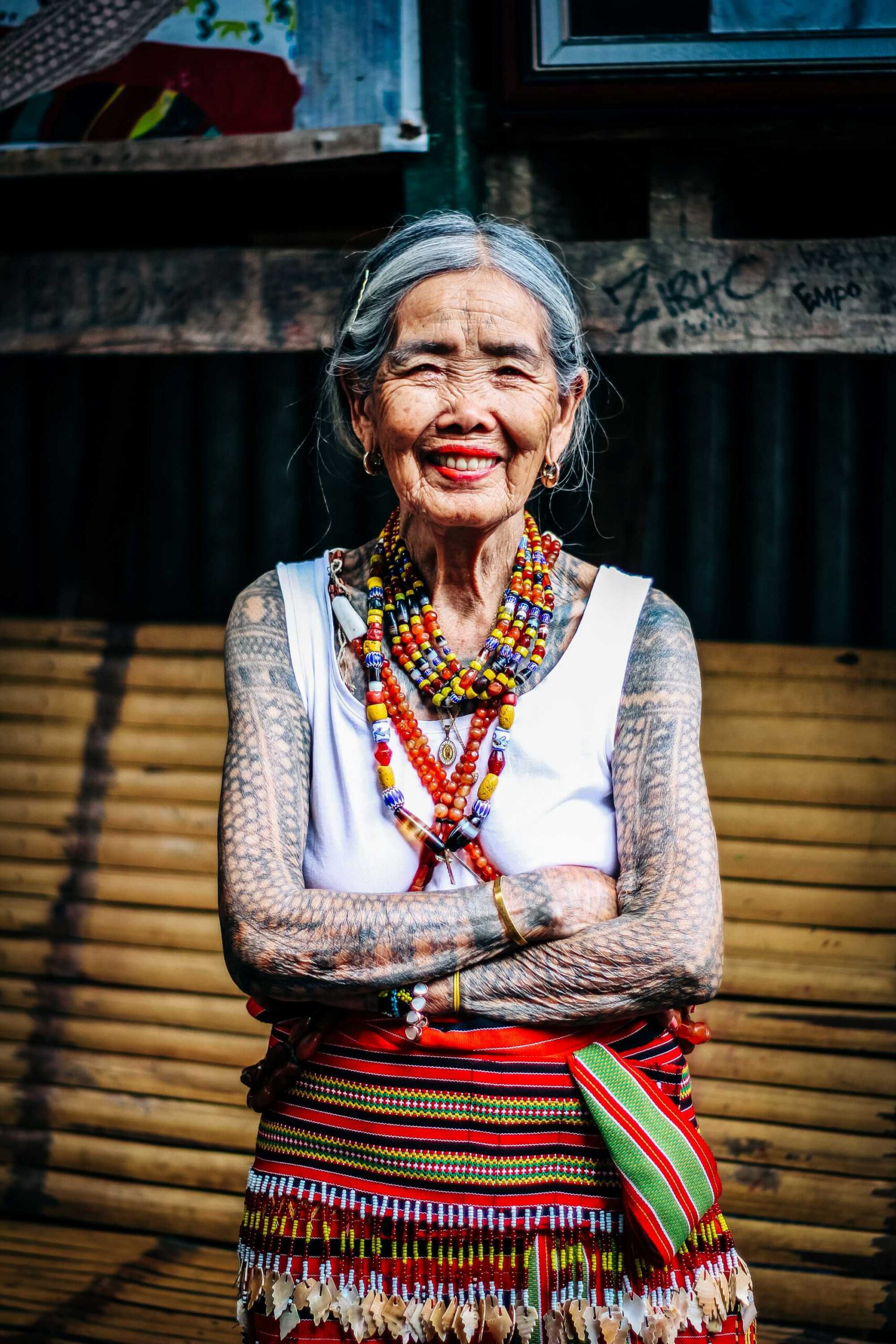
Kalinga, a province renowned for its valiant warriors and rich cultural heritage, boasts a history of courageous battles. It is celebrated for its intricate traditional weaving, characterized by vibrant colors and intricate patterns. Additionally, Kalinga serves as the last bastion of the art of traditional tattooing or batok, which continues to thrive through Apo Whang-Od and her apprentices.
Balbalasang Tourism Village
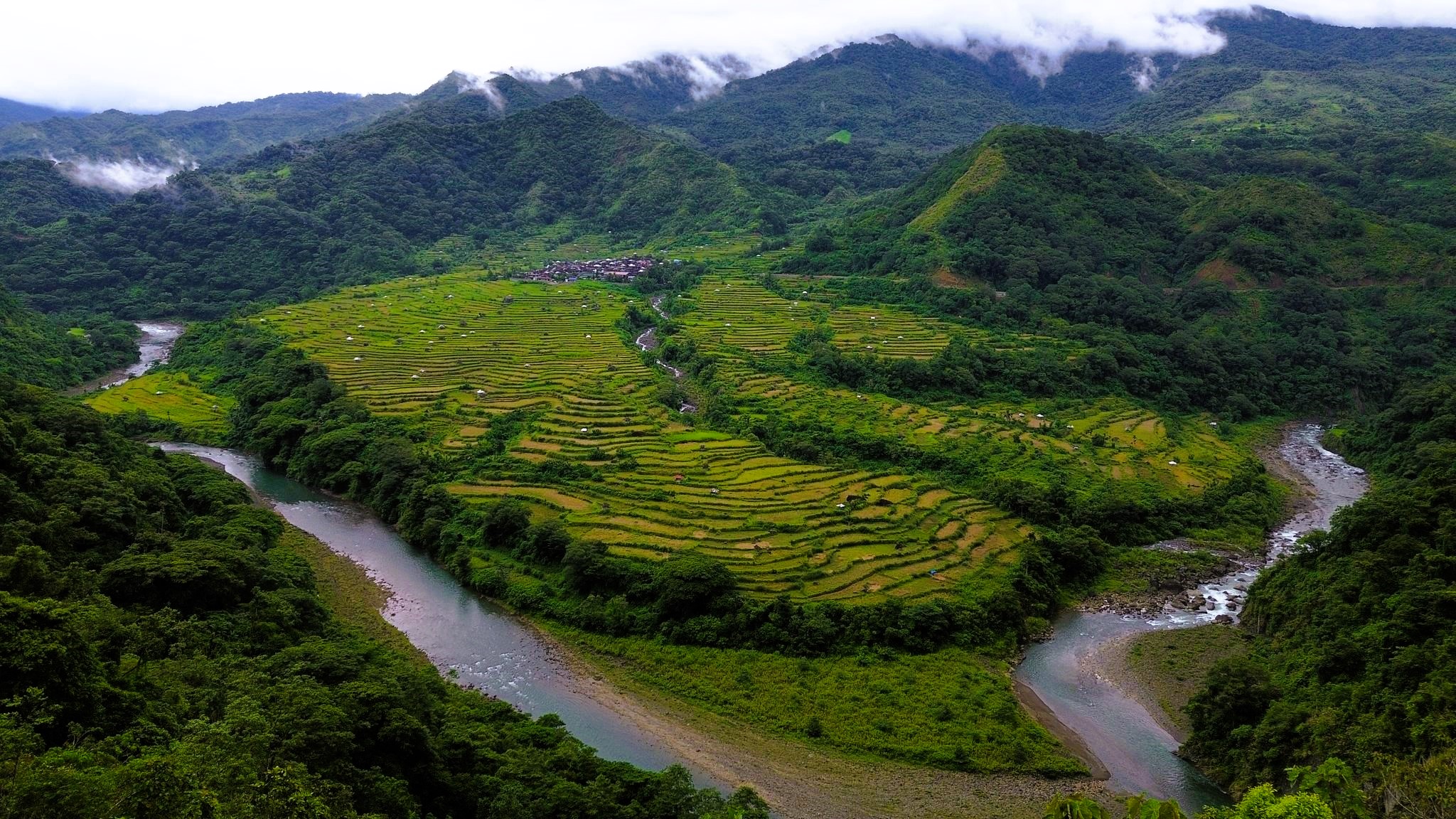
Balbalasang Tourism Village is an eco-village situated within the picturesque Banao Protected Landscape, formerly known as Balbalasang-Balbalan National Park. Renowned for its pristine pine forests and rivers, the village offers an authentic immersion into Cordilleran heritage and pristine landscapes.
In October 2025, Balbalasang won first place in the Search for the Best Tourism Village in the Cordilleras competition by the Department of Tourism Cordillera Administrative Region Office for its exceptional initiatives and contributions to sustainable tourism. The village’s achievements include its commitment to cultural heritage preservation, community engagement, and environmental stewardship.
Chico River, Tabuk, Kalinga
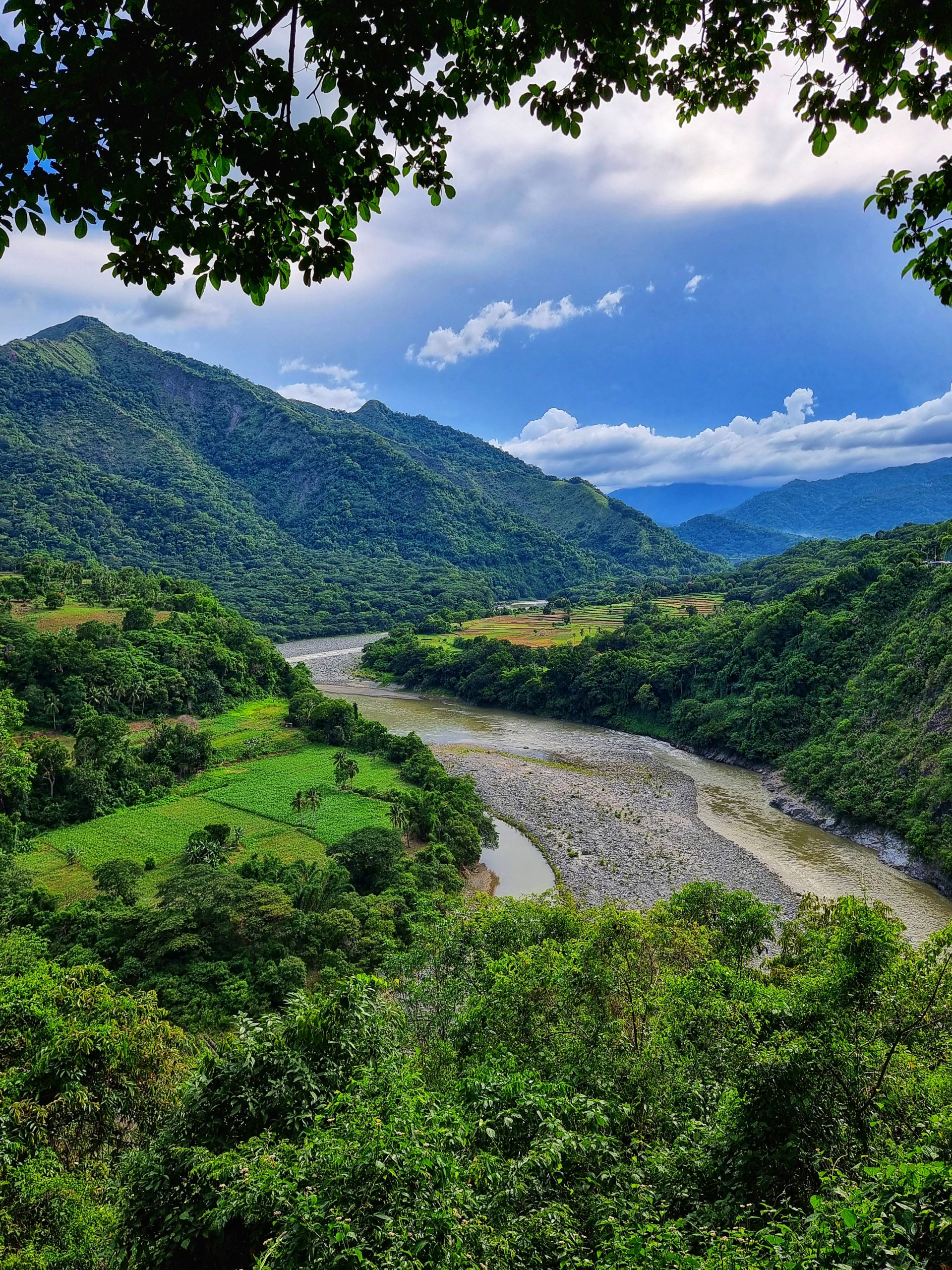
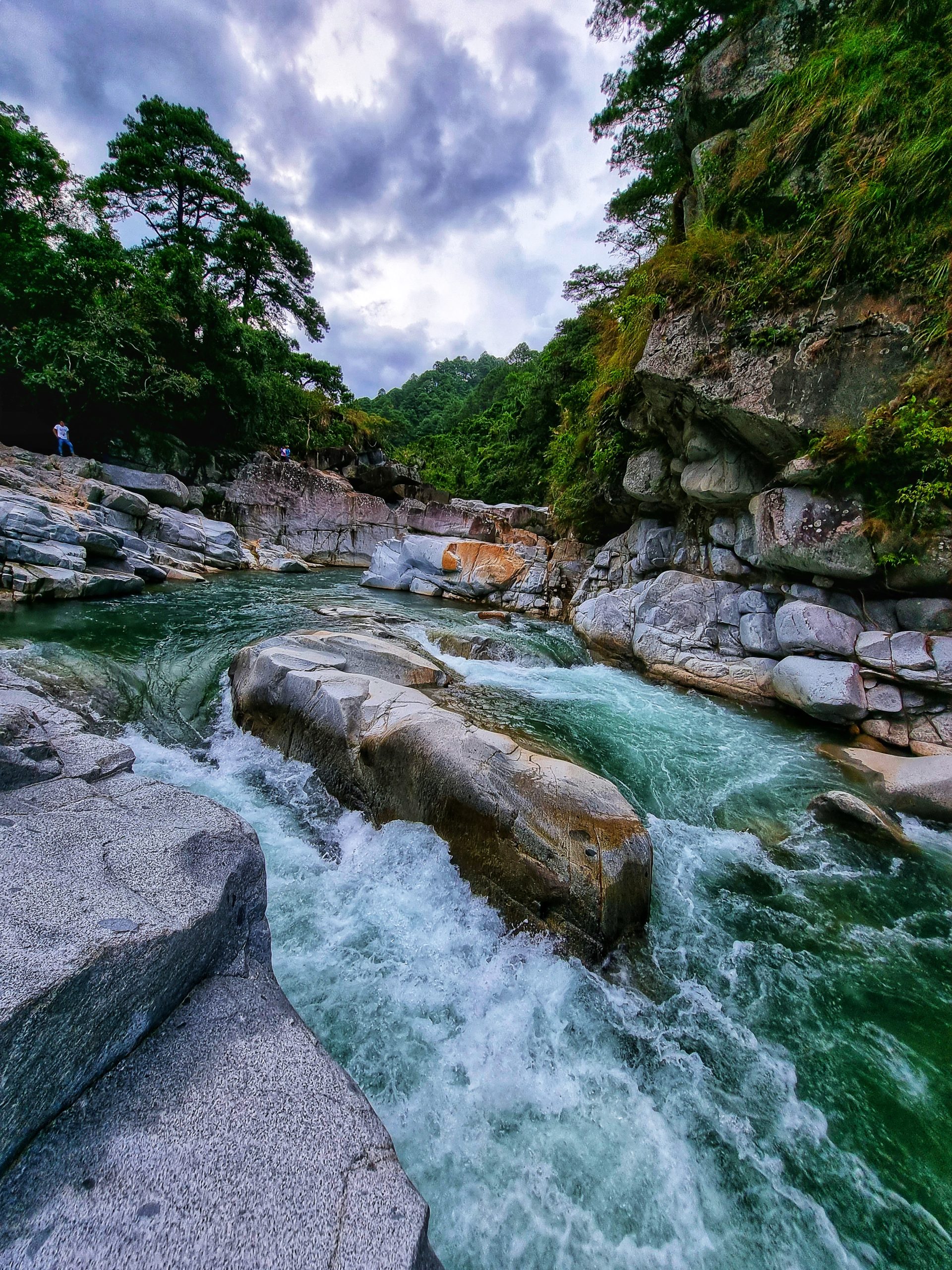
The Chico River is the longest tributary of the Cagayan River. It holds significant cultural and ecological importance for the indigenous communities of the Cordilleras, often referred to as the “River of Life.” The Chico River serves as a premier destination for white-water rafting and provides a vital source of agricultural irrigation for the region.
Lumin-awa Trek every February
The Lumin-Awa Trek is a significant annual trekking and eco-tourism event in Kalinga, held during the province’s Founding Anniversary and Bodong Festival. It is designed to showcase a different municipality each year, highlighting Kalinga’s rich cultural heritage, hiking trails, and diverse natural landscapes. In past editions, trekkers have traversed routes in Pasil, Tanudan, Balbalan (Balbalasang), and Tinglayan.
Bodong Festival & Matagoan Festival, Tabuk, Kalinga
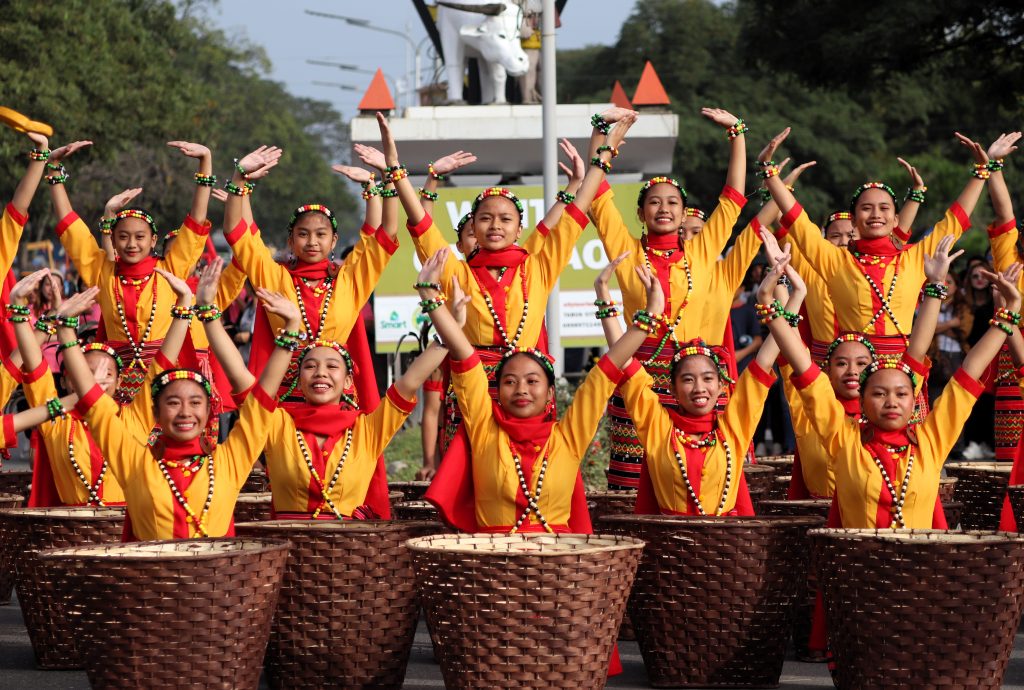
Tabuk City, Kalinga hosts two major cultural celebrations annually: the Bodong Festival in February and the Matagoan Festival in June. The Bodong Festival serves as the provincial festival of Kalinga, celebrating the traditional bodong or peace pact system that underpins harmony among the province’s indigenous communities. The Matagoan Festival, on the other hand, is Tabuk City’s local festival, showcasing the city’s agricultural abundance, cultural heritage, and the spirit of unity among its people. Both festivals are celebrated in Tabuk, reflecting the rich indigenous heritage and traditions of Kalinga.
Buscalan Village, Tinglayan, Kalinga
Buscalan Tattoo Village embodies and honors the profound, over 1,000-year-old tattooing tradition of the Cordilleras. It is home to Whang-od Oggay, revered as the ‘oldest mambabatok’ or traditional tattoo artist. Embark on a journey to this sacred site and have the privilege of encountering and being indelibly marked by a living legend.
Awichon Cultural Village
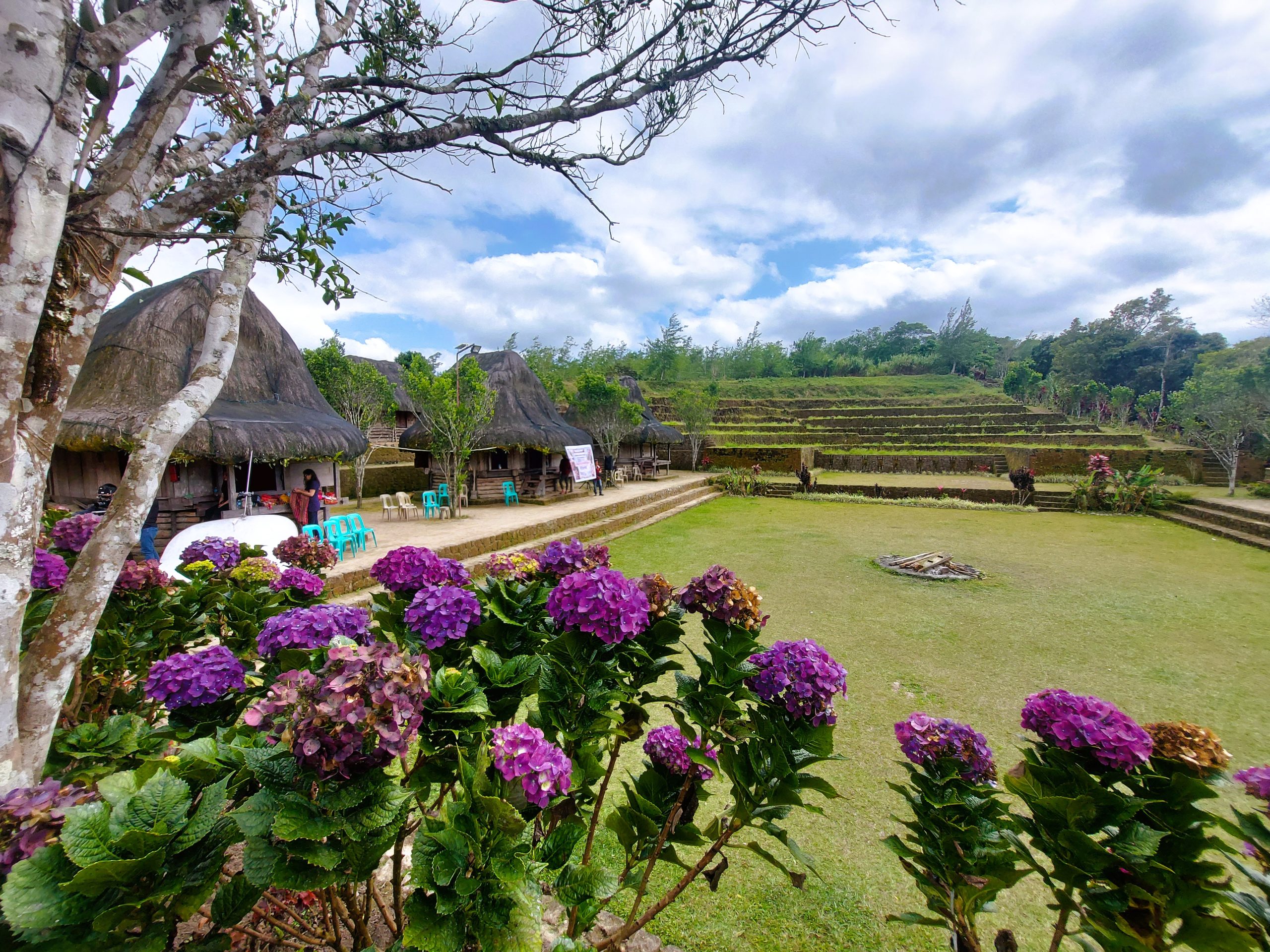
Nestled on a plateau in Barangay Dangoy, Lubuagan, Kalinga, Awichon Cultural Village is a vibrant destination that showcases the province’s rich cultural heritage. Established by the late Alonzo Saclag Sr., a Kalinga native and National Living Treasure recognized by the National Commission for Culture and the Arts, it holds historical significance as a former landing site for American troops during World War II.
Mabilong Weavers Village
The Cordillera region is renowned for its rich cultural heritage, with diverse groups showcasing their exceptional craftsmanship. Immerse yourself in the artistry of the Cordillera and acquire a unique souvenir from the heart of ethnic weaving, the Mabilong Weavers Village at Lubuagan, Kalinga.
Slow Food Community of Pasil
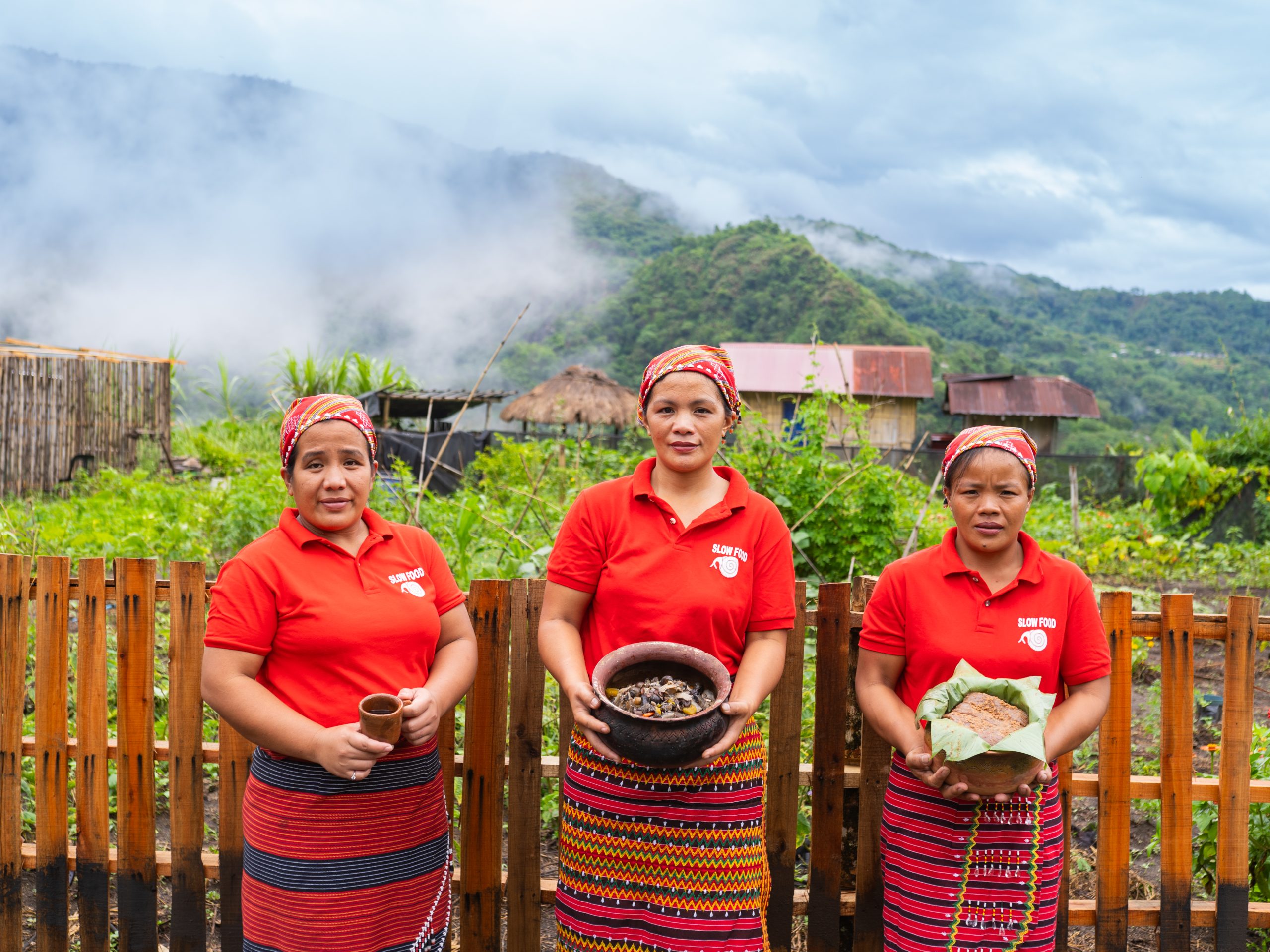
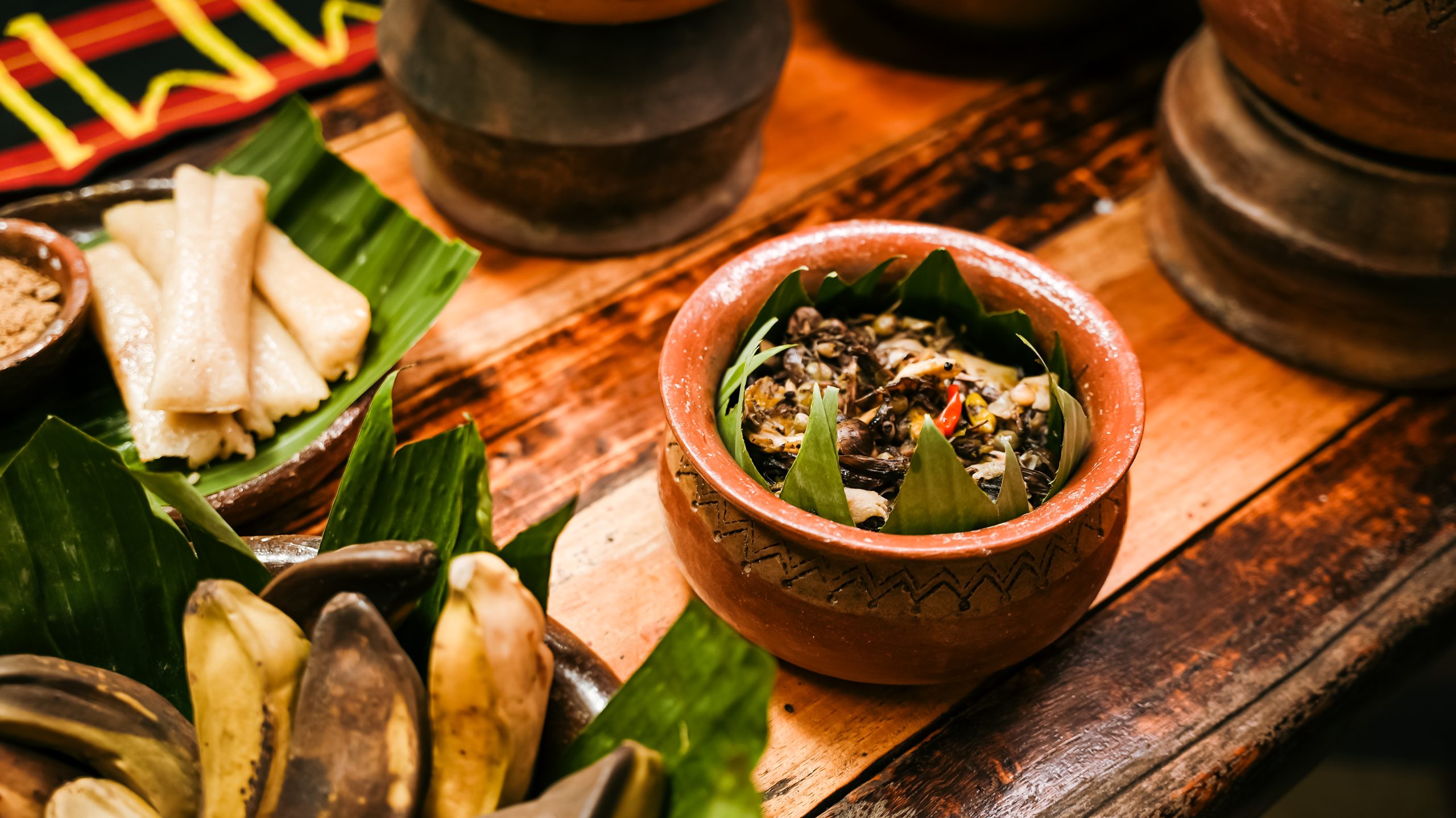
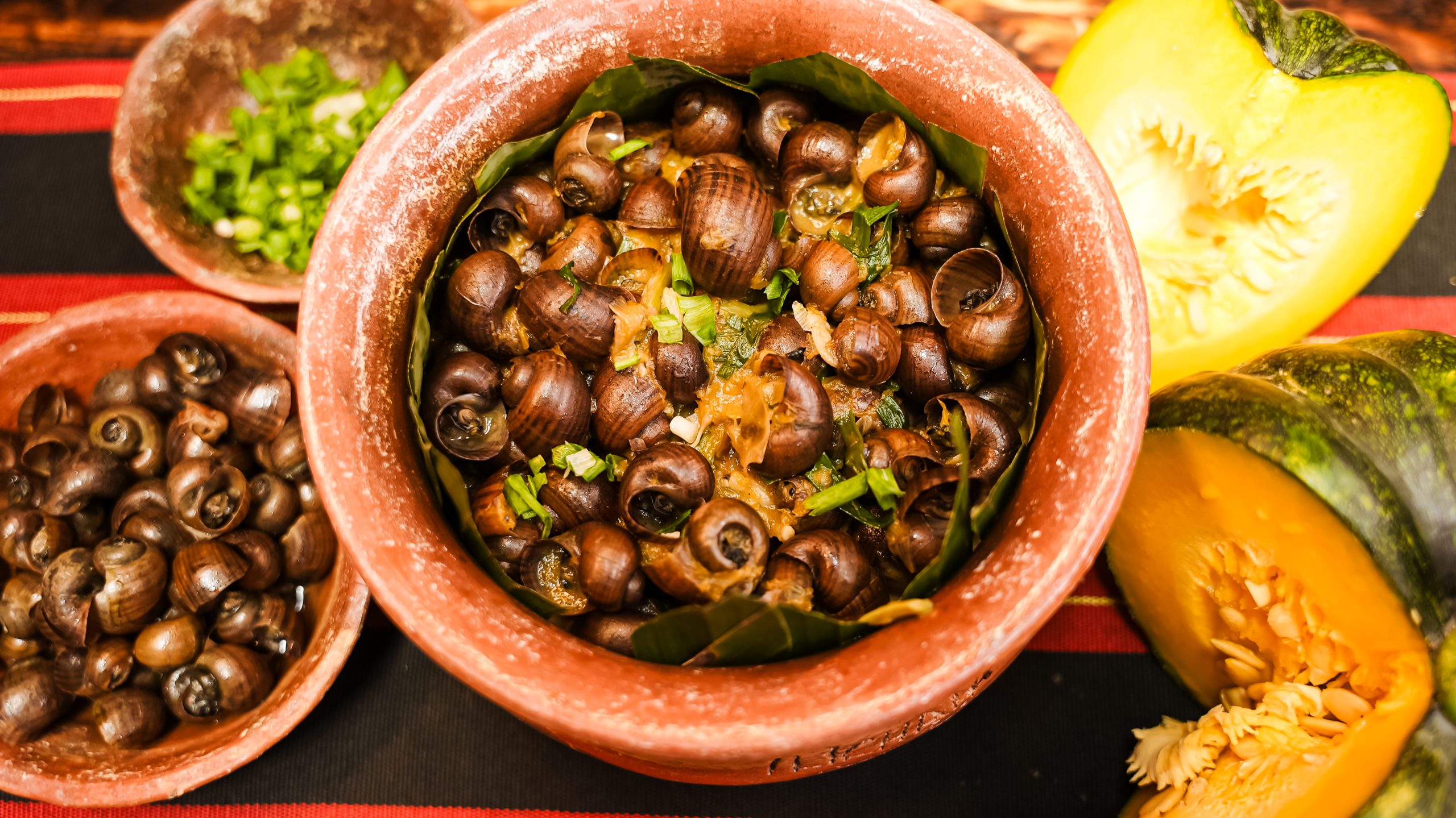
It is recognized as the first Slow Food community in the Philippines, acknowledged by the international Slow Food movement for its efforts in preserving indigenous food traditions, promoting sustainable agriculture, and protecting local biodiversity in Kalinga. It continues to empower local farmers and strengthen food sovereignty through community-driven initiatives and cultural preservation.
Mt. Mating-oy
Mount Mating-oy’s distinctive outline bears a striking resemblance to the figure of a woman lying on her back, earning it the moniker “Sleeping Beauty Mountain of Kalinga.” Legends have it that the mountain was once a woman patiently awaiting her husband’s return, her hopes forever dashed. Today, visitors can immerse themselves in the verdant embrace of the mountain, surrounded by cascading streams and picturesque waterfalls.