Las Piñas City is known for its rich cultural heritage and environmental significance. Located in the southern part of Metro Manila, the city is home to world-renowned historical landmarks and important ecological attractions. Visitors can experience centuries-old traditions, appreciate unique musical heritage, and explore protected natural areas that support biodiversity within an urban setting.
Saint Joseph Church and the Bamboo Organ
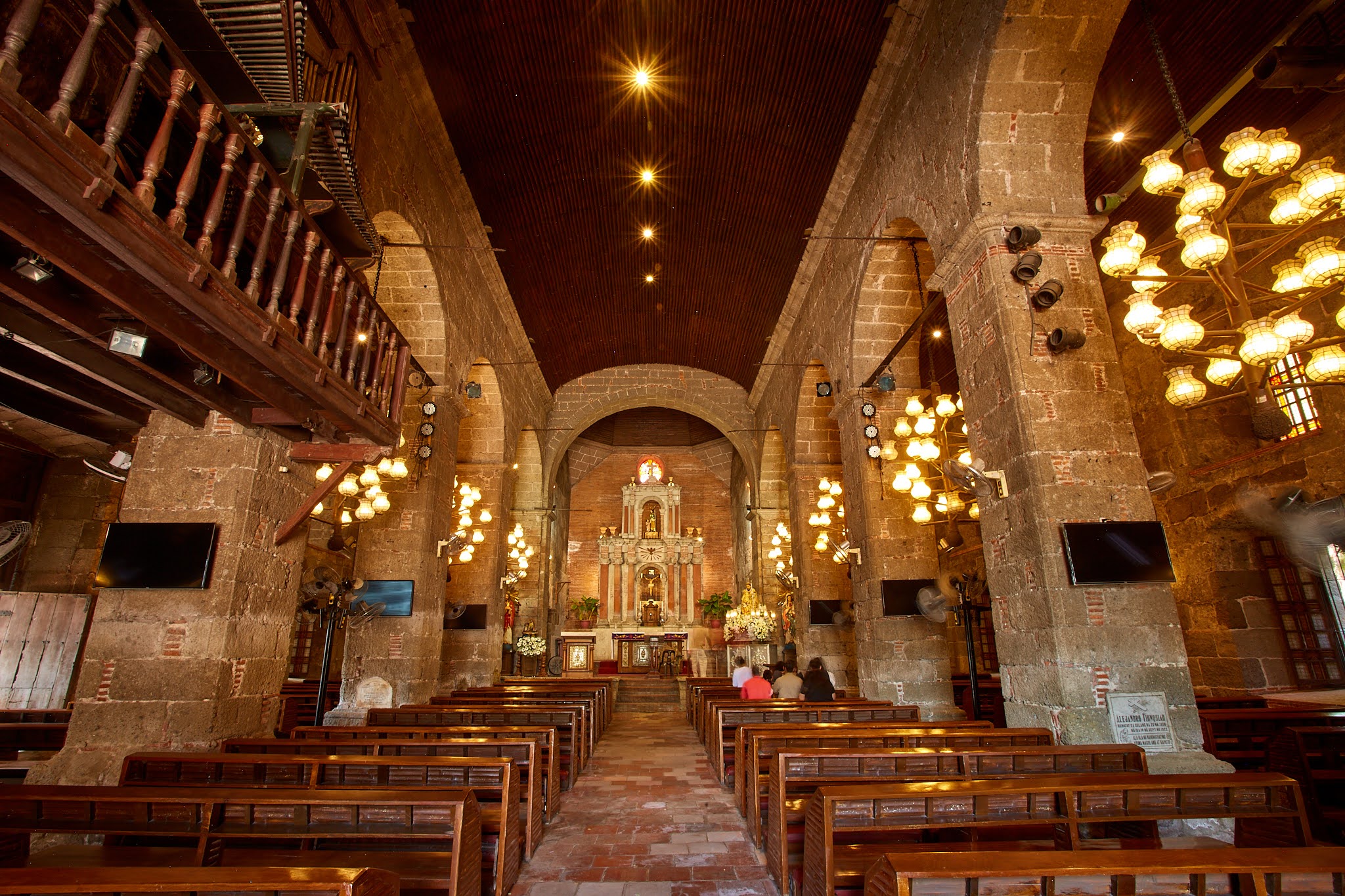
The Saint Joseph Church houses the world-famous Bamboo Organ, one of the Philippines’ most treasured cultural landmarks. Built in the nineteenth century by Fr. Diego Cera, the instrument is celebrated for its distinctive sound and remarkable craftsmanship, with most of its pipes made from bamboo. Visitors can explore the historic church, learn about the organ’s fascinating history, and experience performances that continue to showcase its enduring musical legacy. The site remains a symbol of Las Piñas’ cultural identity and artistic heritage.
Las Piñas-Parañaque Wetland Park
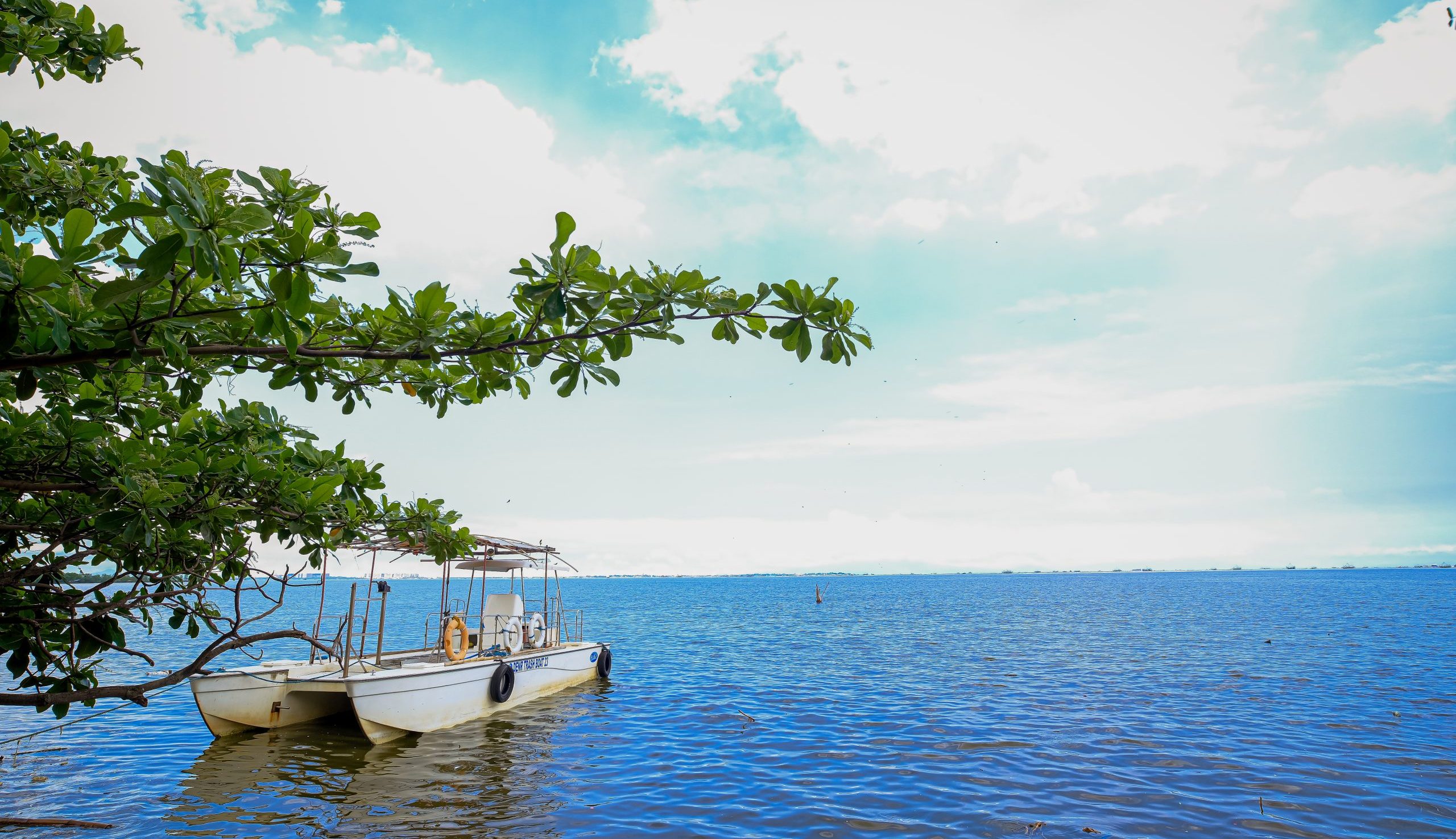
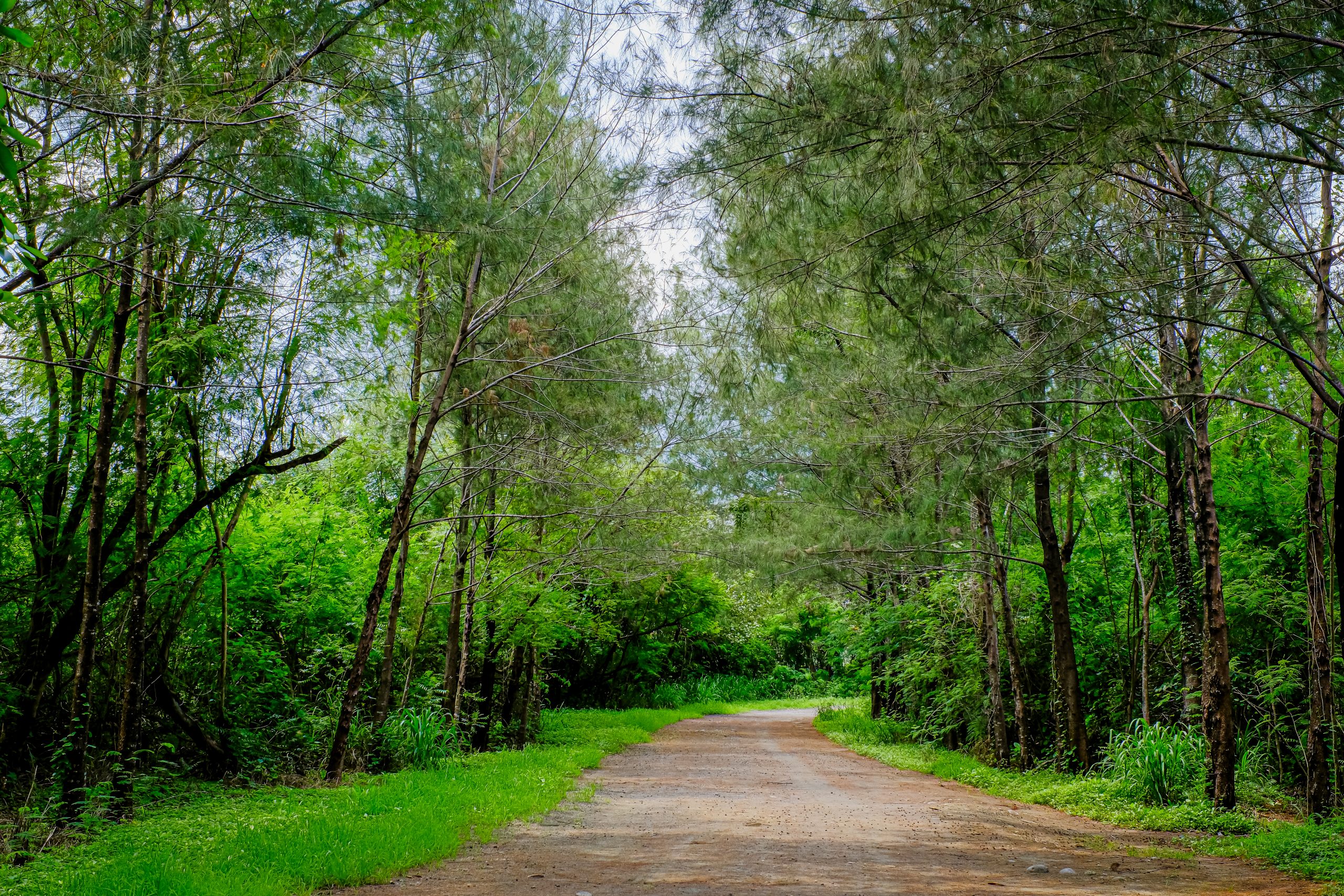
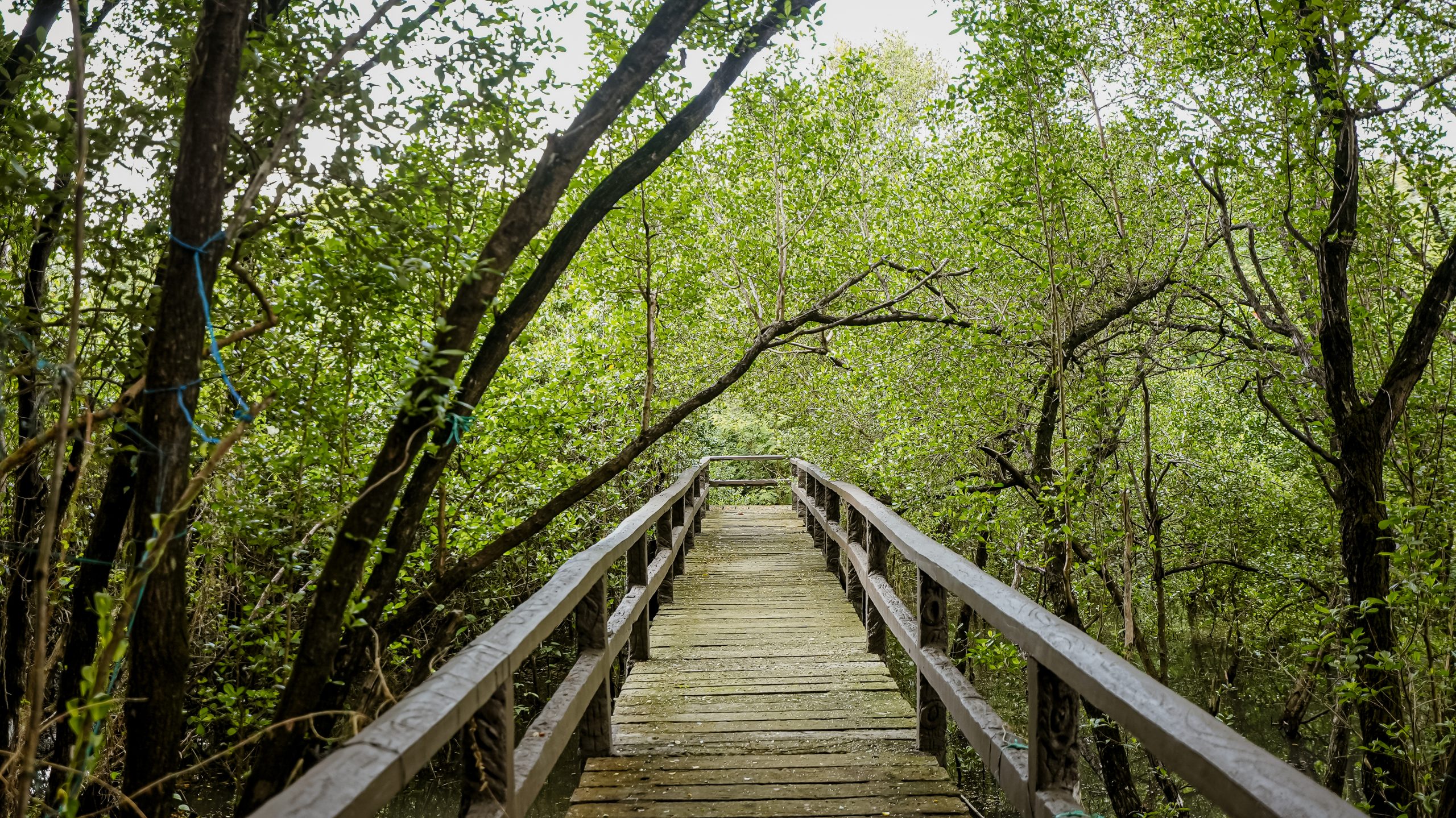
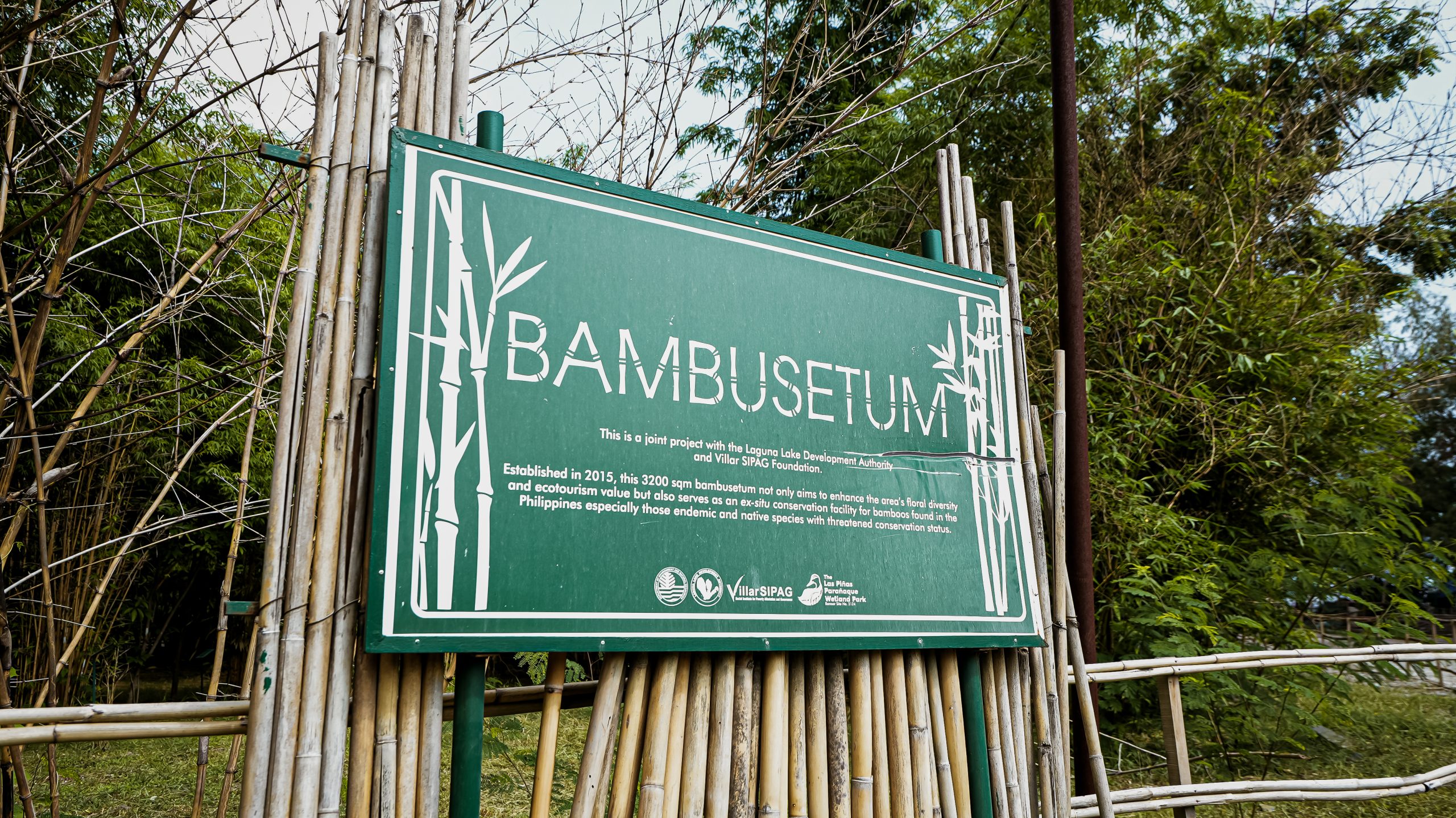
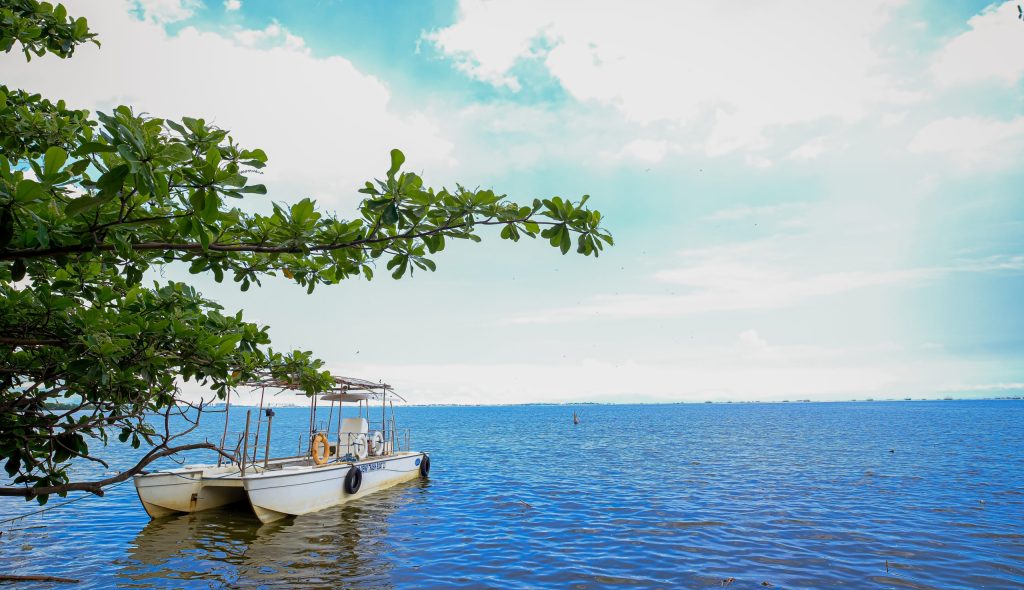
The Las Piñas–Parañaque Wetland Park is one of Metro Manila’s most important ecological sites and a recognized Wetland of International Importance under the Ramsar Convention. Serving as a sanctuary for migratory birds and coastal wildlife, the park provides visitors with opportunities for birdwatching, nature appreciation, and environmental education. Its mangrove forests, mudflats, and coastal habitats offer a unique glimpse into the region’s biodiversity and highlight the importance of conservation within highly urbanized areas.
International Bamboo Organ Festival
Held annually, typically starting in the third week of February and running until early March, the International Bamboo Organ Festival celebrates the city’s most iconic cultural treasure through a series of musical performances and cultural activities. Local and international artists gather to showcase the unique sound of the Bamboo Organ while promoting appreciation for music and heritage. The festival has become one of the country’s longest-running cultural events and attracts visitors seeking a meaningful blend of art, history, and community traditions.