Derived from the Spanish term “abra,” meaning “pass,” “gorge,” or “opening” the province of Abra presents an ideal gateway for visitors seeking not only to witness natural wonders but also to immerse themselves in its School of Living Traditions, where a rich tapestry of crafts and artistry, including indigenous natural dyeing, hatmaking, and hand-embroidered backstrap and loom weaving, can be experienced.
Abrenian Kawayan Festival
Abra’s annual week-long cultural celebration that showcases the province’s rich heritage, vibrant traditions, and thriving bamboo industry. Held every March, the festival features colorful street dancing, agricultural and trade fairs, cultural performances highlighting indigenous Tingguian traditions, and various community events. It also commemorates the establishment of Abra as an independent province on March 9, promoting local pride, unity, and sustainable development through the province’s iconic bamboo resources.
Ar-Arbis Falls, Lagayan, Abra
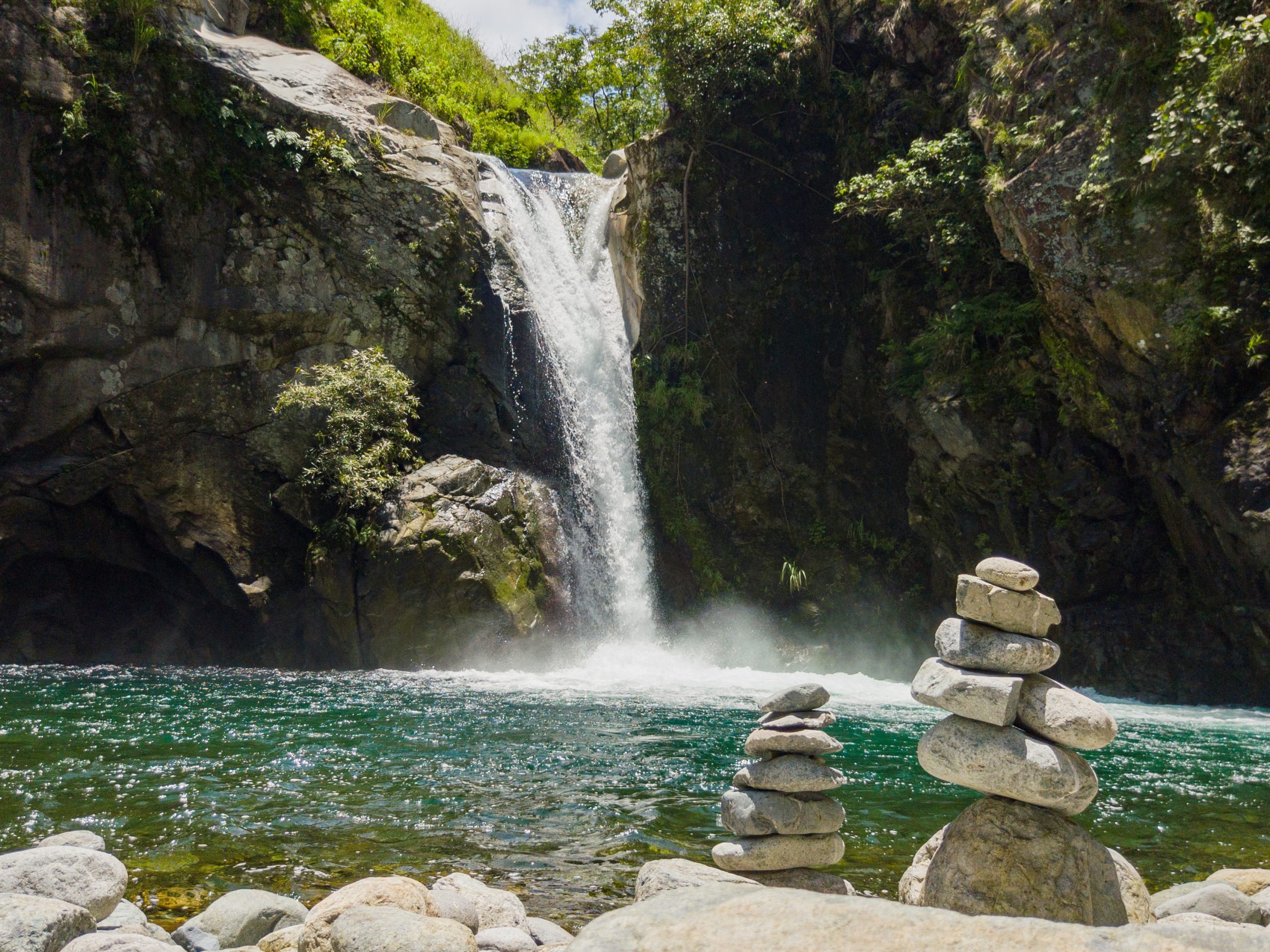
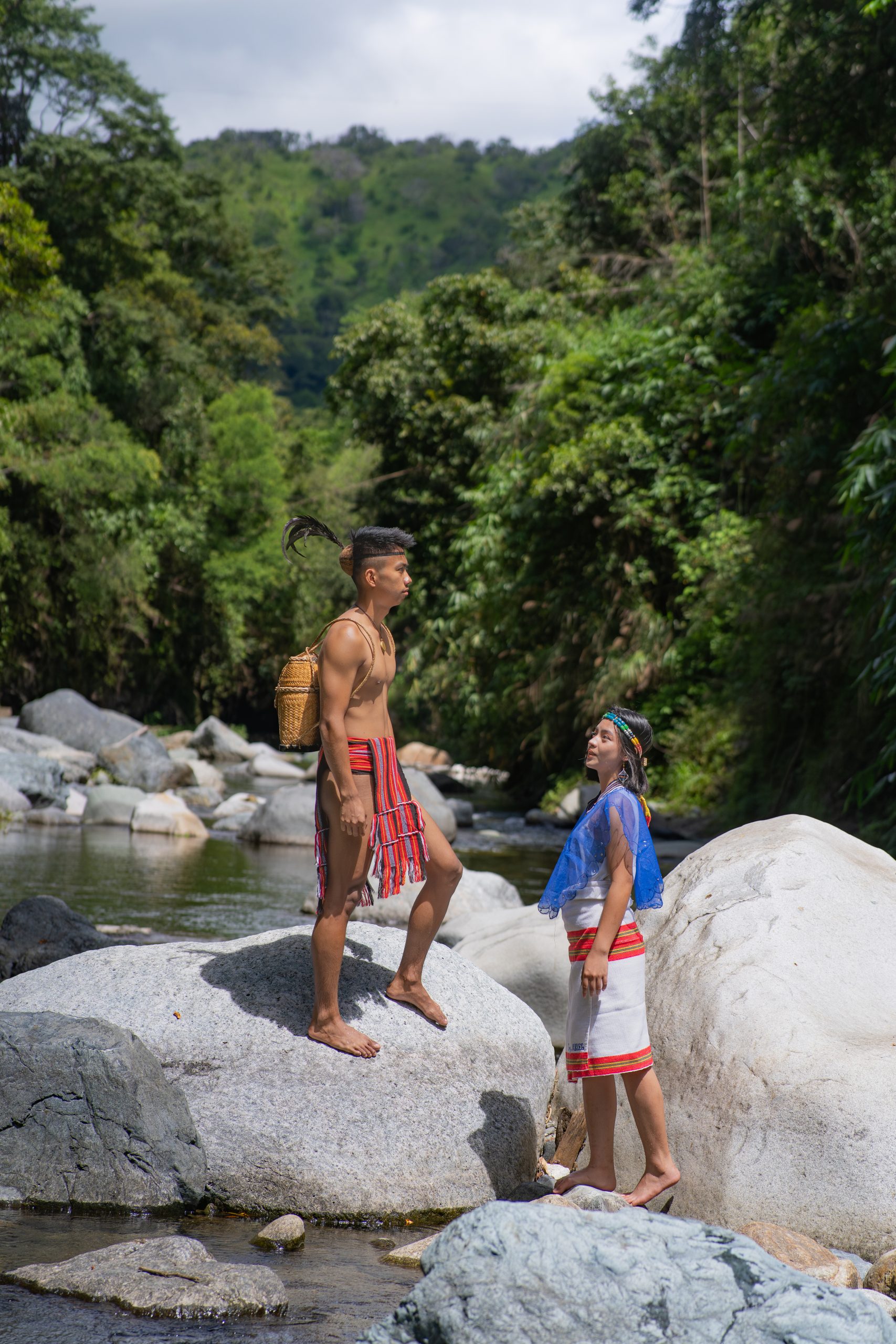
Found in Barangay Baybayatin, Ar-Arbis Falls is known as the “Curtain Falls” of Abra. It holds significant cultural importance as it’s part of the ancestral domain of the Adasen tribe. Historically, the falls and the nearby Palsuguan River were secluded and known only to the indigenous people who resided in the highlands. The river that flows from the falls has been a vital transportation route for locals throughout history. In recent years, this traditional way of navigating the river has been transformed into a thrilling “river tubing” experience for tourists.
La Paz Weaving Community, La Paz, Abra
In the heart of Abra’s traditional abel weaving industry, the La Paz Weaving Community in Barangay Bulbulala, La Paz, Abra, is a true gem. Local artisans, like the Bulbulala Farmers and Loomweavers Association, create beautiful textiles with intricate patterns like binakol (geometric) and pinilian (brocade).
Abel Festival
This exquisite celebration of a cherished local woven fabric is a must-visit attraction for any tourist visiting Abra. The Abel Festival commemorates the intricate tradition of crafting the ‘abel’ fabric, which has been preserved through generations by the people of La Paz town. Witness captivating cultural performances such as street dancing and contribute to supporting local industries during this vibrant January festival.
Kaparkan Falls
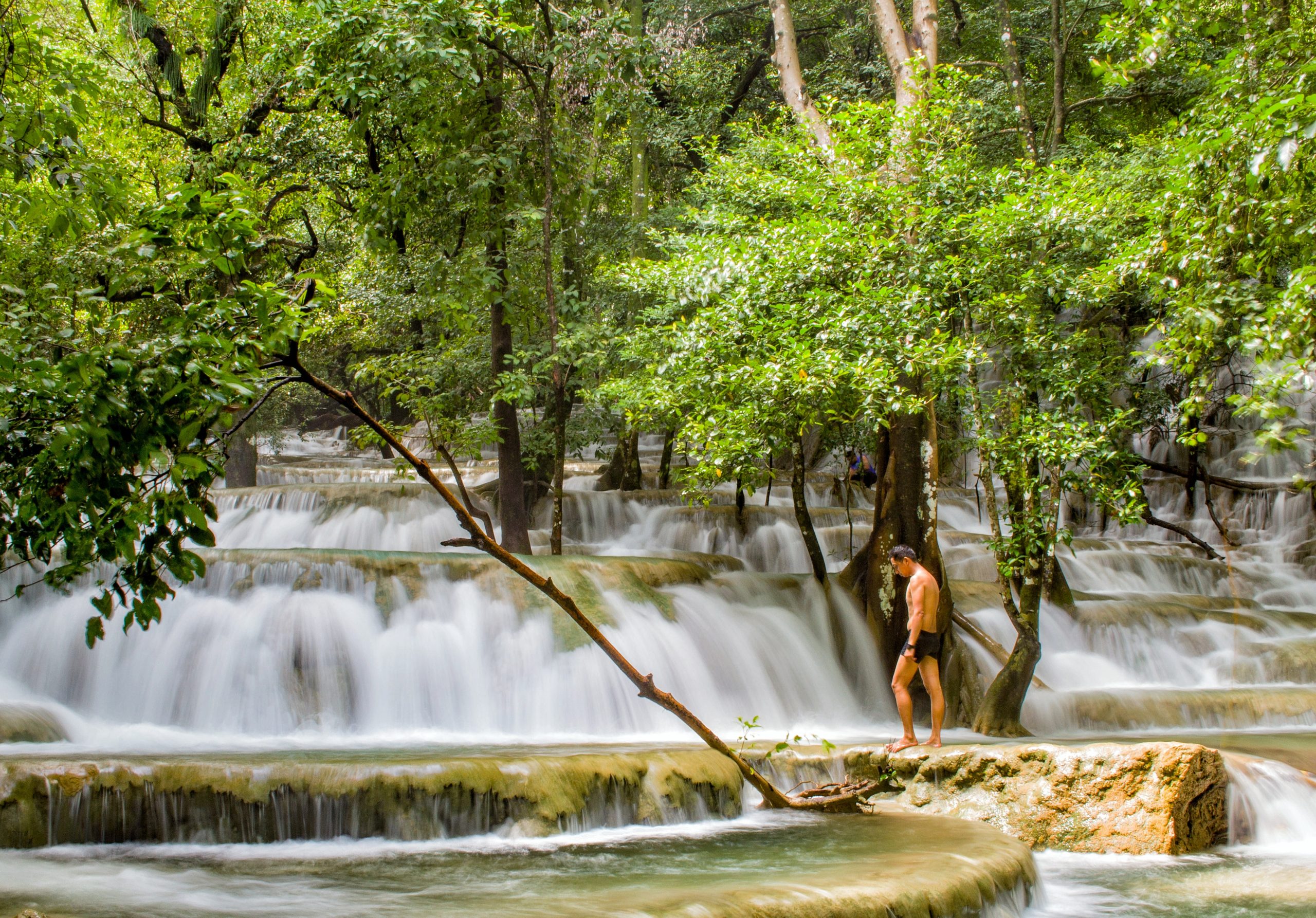
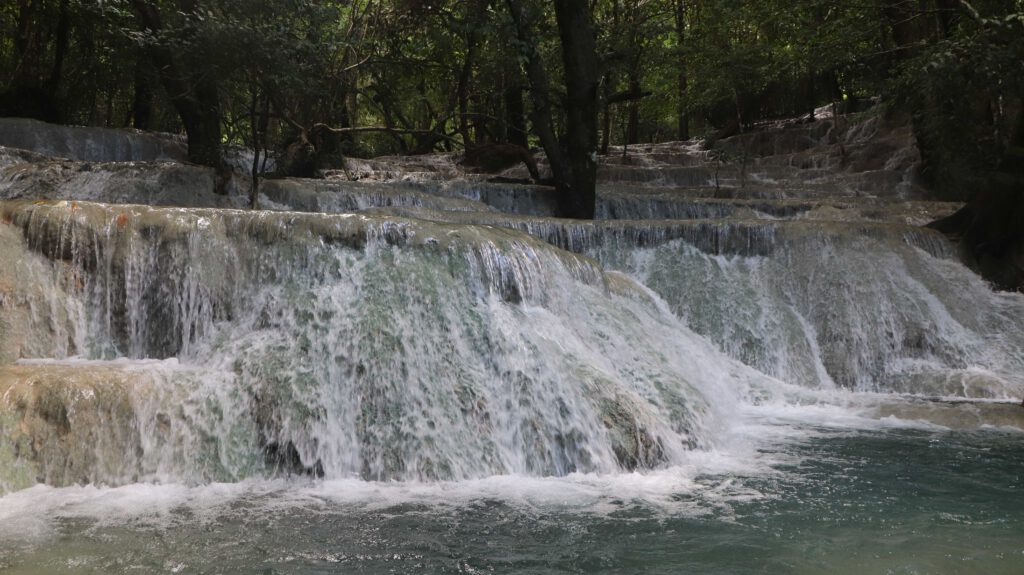
Located in Tineg, Kaparkan Falls boasts a waterfall that cascades over multi-tiered limestone terraces. Unlike conventional waterfalls, Kaparkan’s water flows from one pool to another, creating numerous natural catch basins for visitors to wade and swim in. It is crucial to note that the falls exhibit seasonal variations in their appearance. During the rainy season, particularly from July to September, the terraces are vibrant with flowing water, showcasing the falls’ full splendor. During the dry season, many of the pools and cascades may experience significant reductions in size or even dry up.
Bangued Cathedral, Bangued, Abra
During World War II, the Bangued Cathedral and its adjacent Colegio del Sagrado Corazon served as military hospitals for Japanese soldiers. Tragically, on March 10, 1945, the cathedral’s original altar was obliterated by American warplanes. Today, visitors to the site are able to witness the remnants of this remarkable structure, which bears the weight of three centuries of history.
Apao Rolling Hills, Tineg, Abra
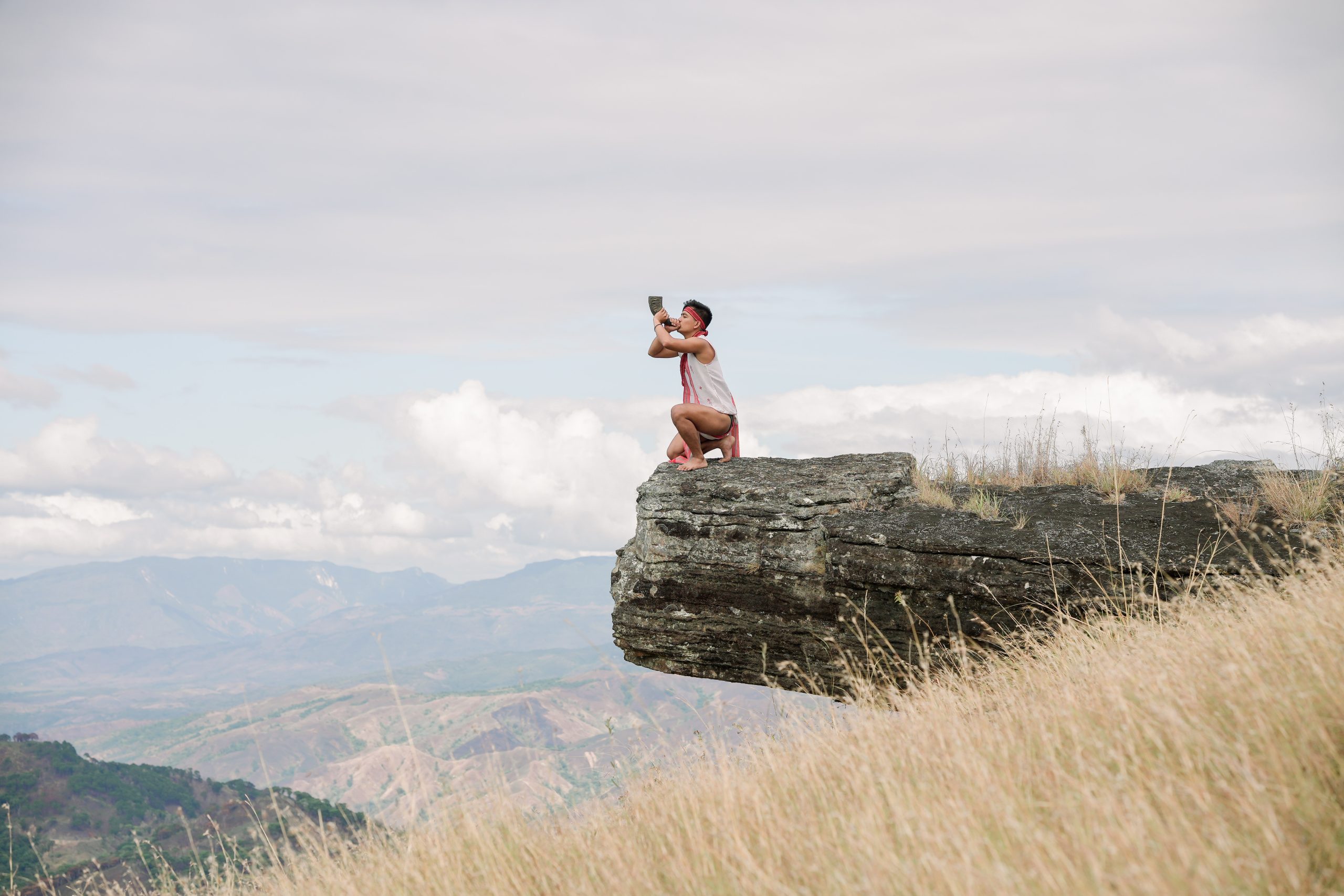
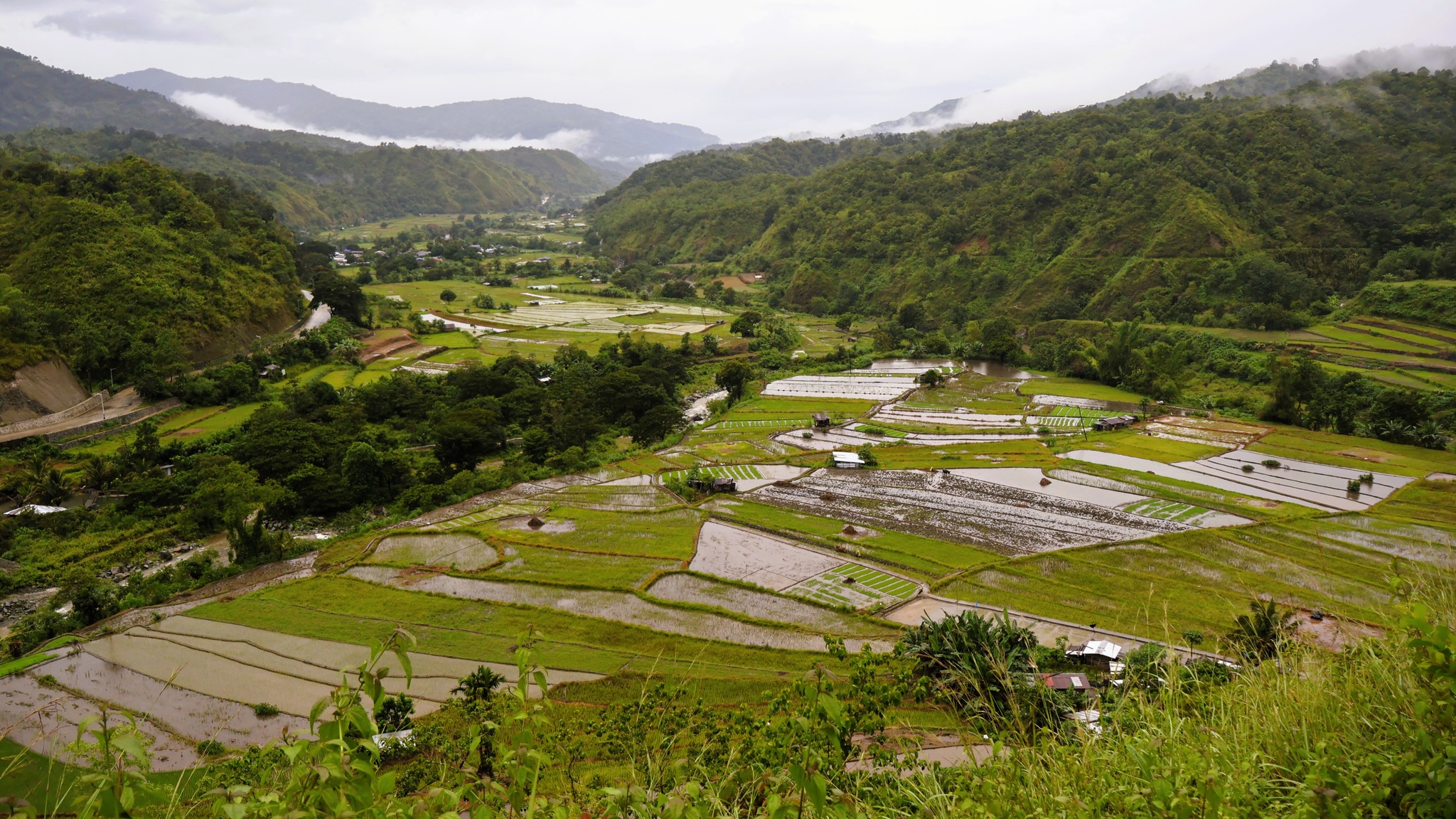
Apao Rolling Hills, a picturesque destination nestled in Cordillera, offers breathtaking panoramic views of rolling hills. During the rainy season, the hills transform into a vibrant tapestry of brown and green grass, providing a serene ambiance for travelers seeking respite from the elements. Early mornings witness an awe-inspiring sea of clouds.