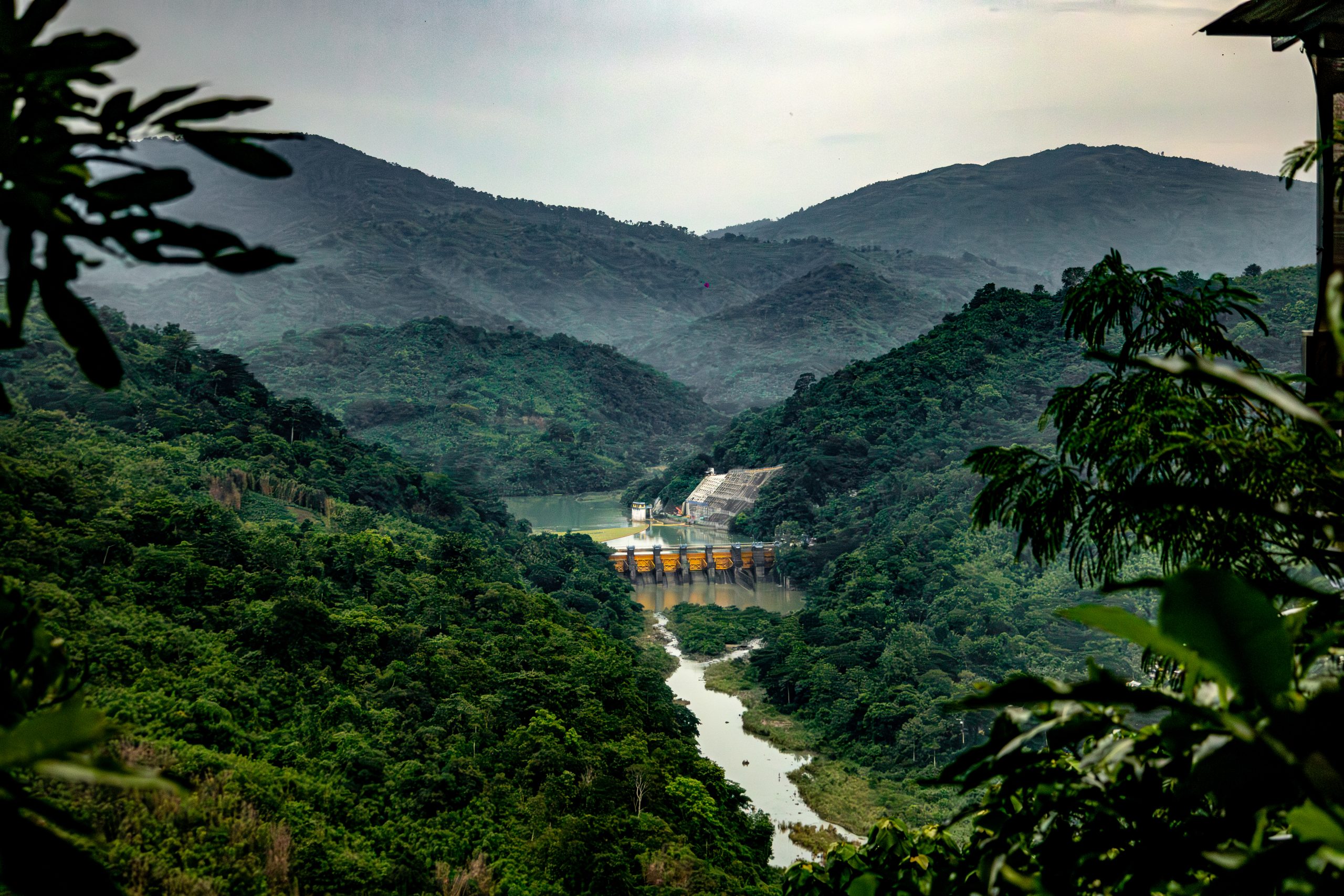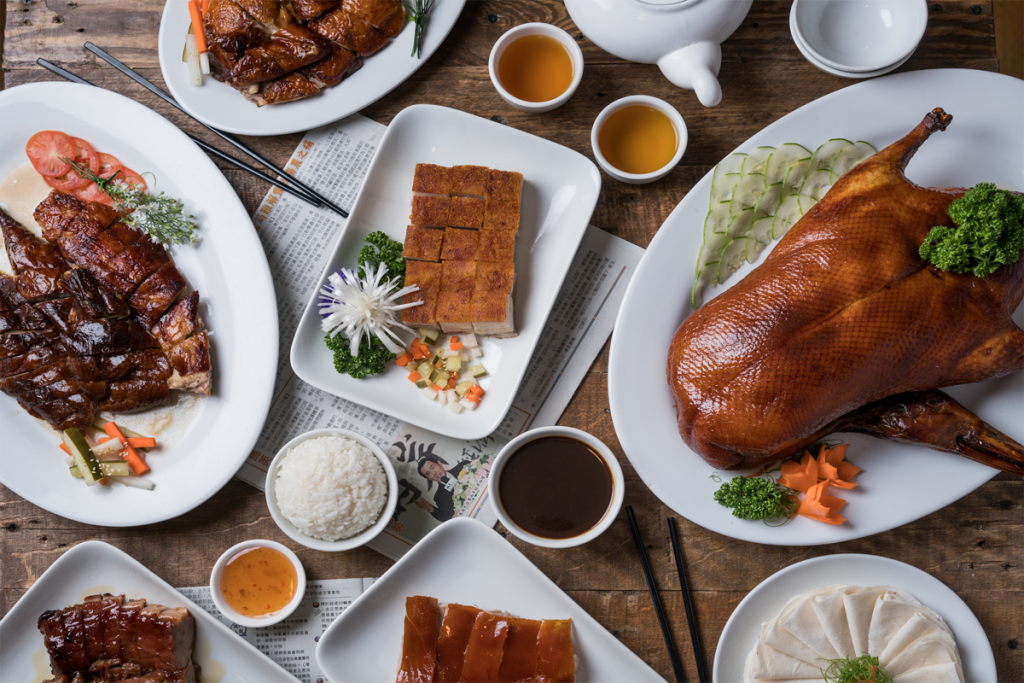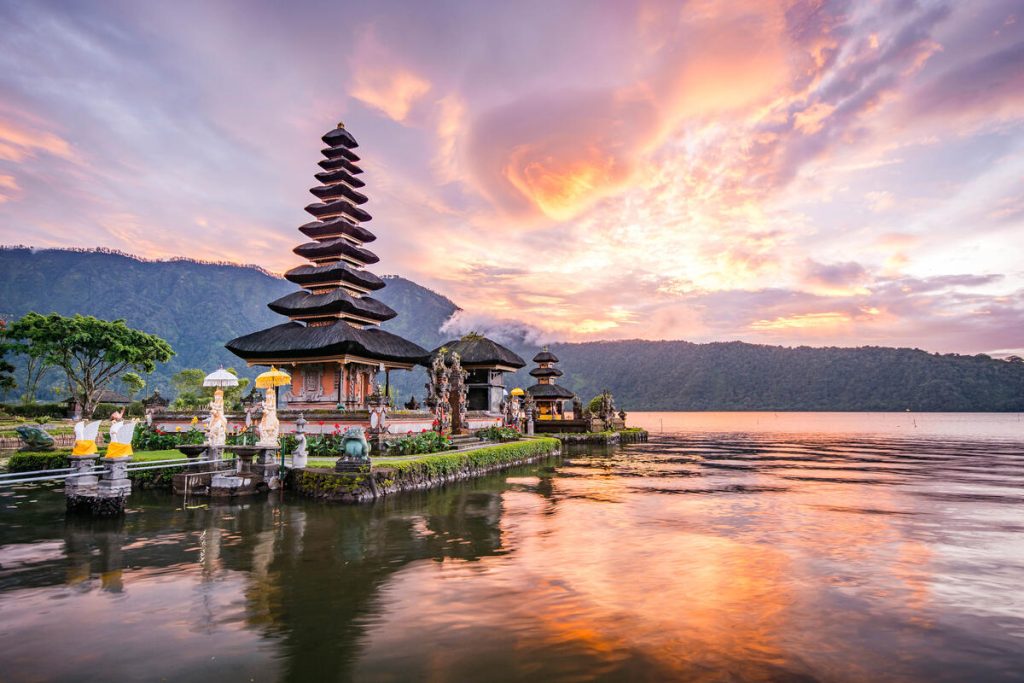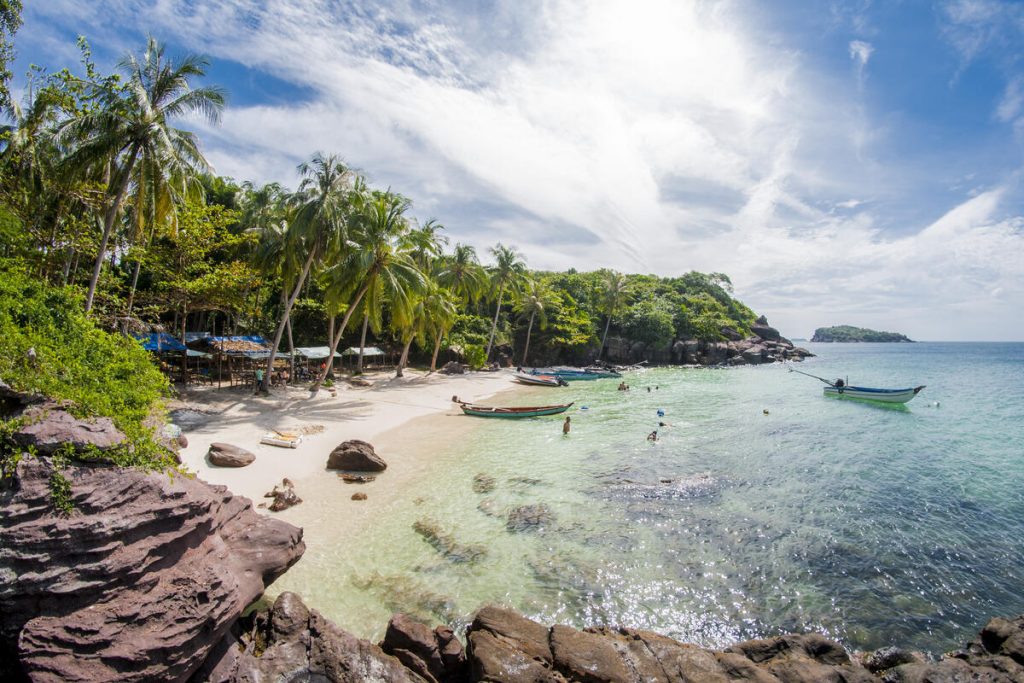
Known as the cradle of heroes and the site of historic events that shaped the country, the province of Bulacan is a journey to both the past and the present made alive by the showcase of local culture and heritage. Tourists immerse themselves in its iconic landmarks and festivities, discovering more about Philippine culture.
Barasoain Church
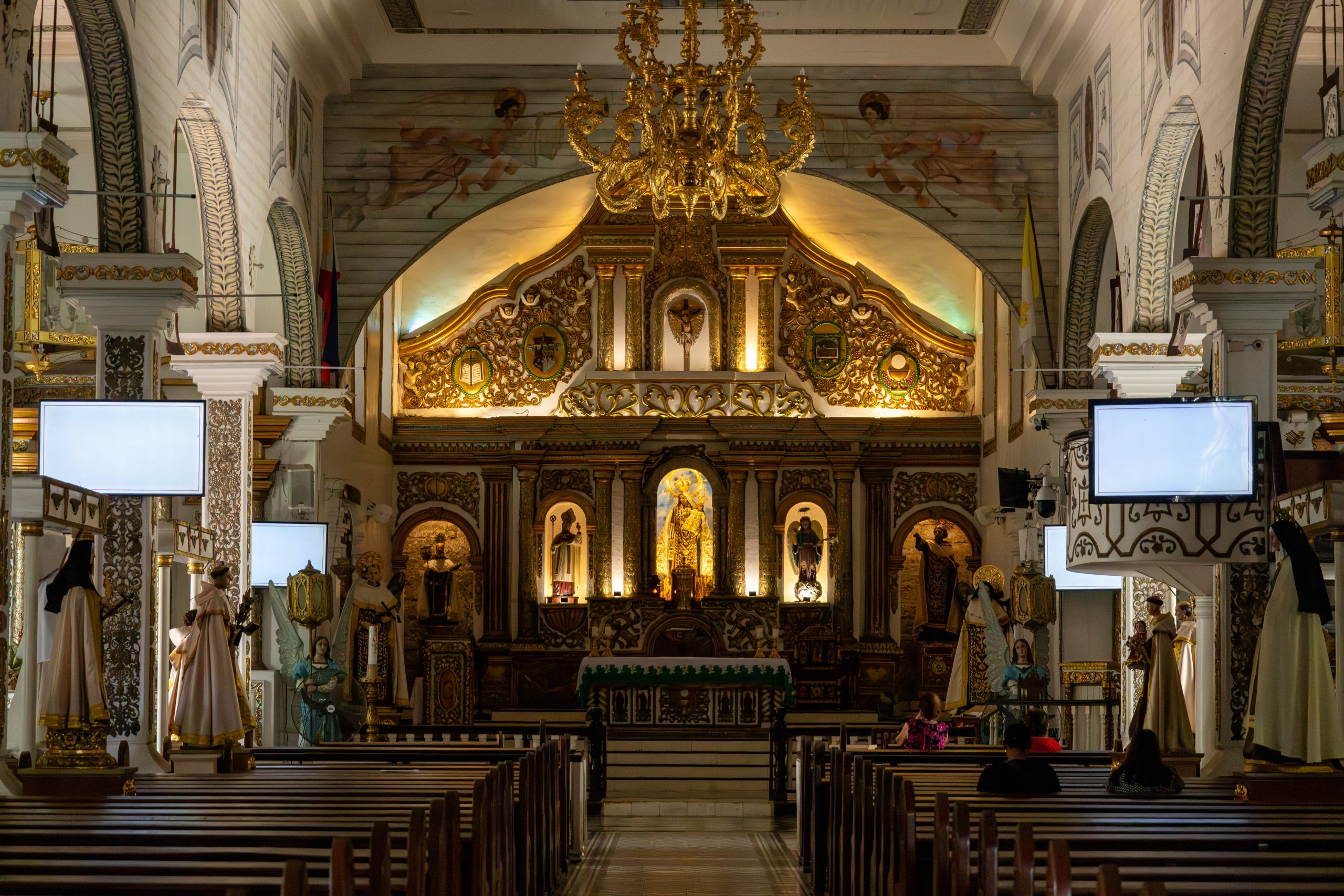
Officially known as the Our Lady of Mount Carmel Parish, the Barasoain Church in Malolos, Bulacan played a pivotal role in Philippine Nationhood. As one of the most significant historical and religious landmarks in the country, it is celebrated as the “Cradle of Democracy in the East” and the birthplace of the First Philippine Republic, where the historic Malolos Congress took place in 1898.
Biak-na-Bato Cave
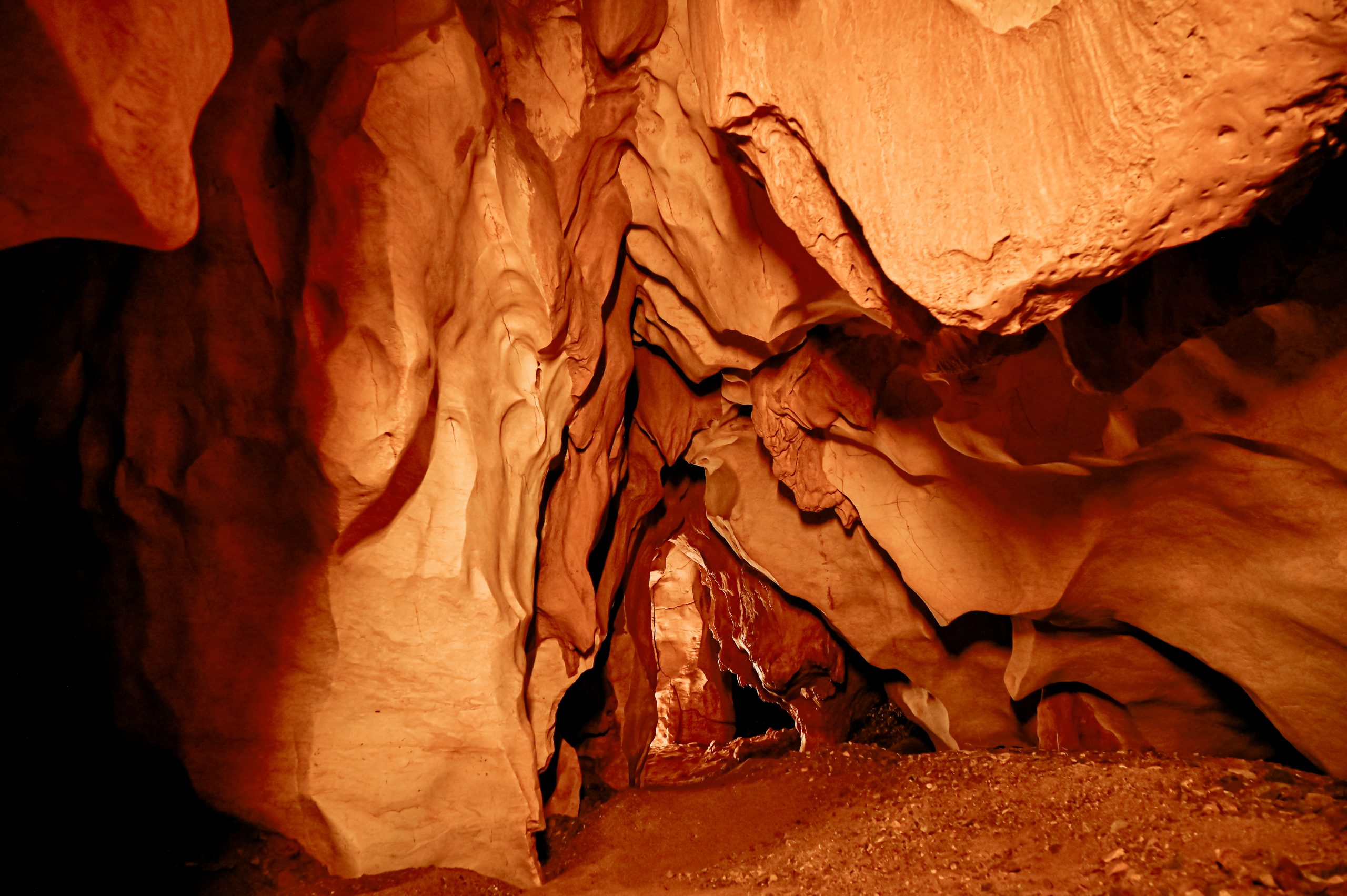
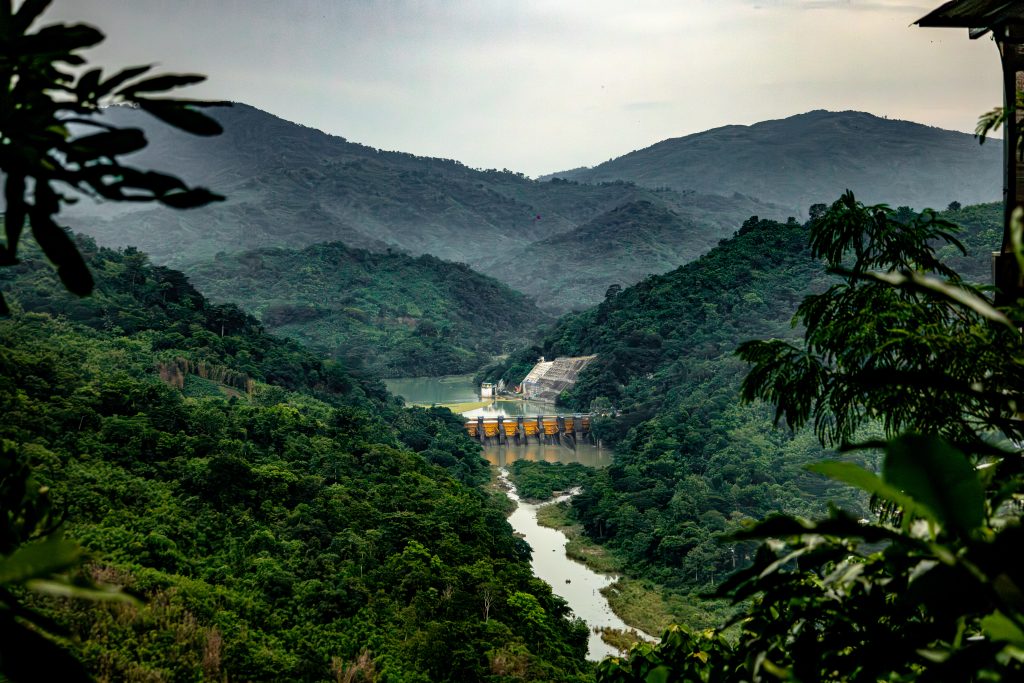
Situated within the Sierra Madre foothills in San Miguel, Bulacan, Biak-na-Bato, which literally means “split boulder,” is a historically and ecologically significant protected area in Bulacan as it is deeply tied to Philippine history. It served as the refuge and headquarters of Filipino revolutionary forces during the 19th century and is now a heritage and ecotourism attraction for visitors who want to experience cave exploration riddled with history lessons.
Pulong Kabyawan
An emerging agri-tourism attraction offering a glimpse of rural life, Pulong Kabyawan in Pulilan, Bulacan showcases local farming traditions built around “kabukiran” or farmlands. It offers learning and experiential tourism activities, featuring curated cultural and lifestyle spaces, such as a small museum located in the middle of the rice fields. Its advocacy, “Habang may bukid may pagasa,” pushes for the protection and sustenance of farm living traditions amidst the threat of rapid urbanization.