Situated in the Bangsamoro Autonomous Region in Muslim Mindanao (BARMM), Maguindanao is home to the Maguindanaon people, whose communities have long flourished along the fertile Pulangi River valley and delta. Deeply rooted in Islamic heritage, the province is known for its vibrant cultural traditions, including Inaul weaving and traditional music that continue to preserve and celebrate Bangsamoro identity. Following a successful plebiscite in 2022, the former province of Maguindanao was formally divided into Maguindanao del Norte and Maguindanao del Sur.
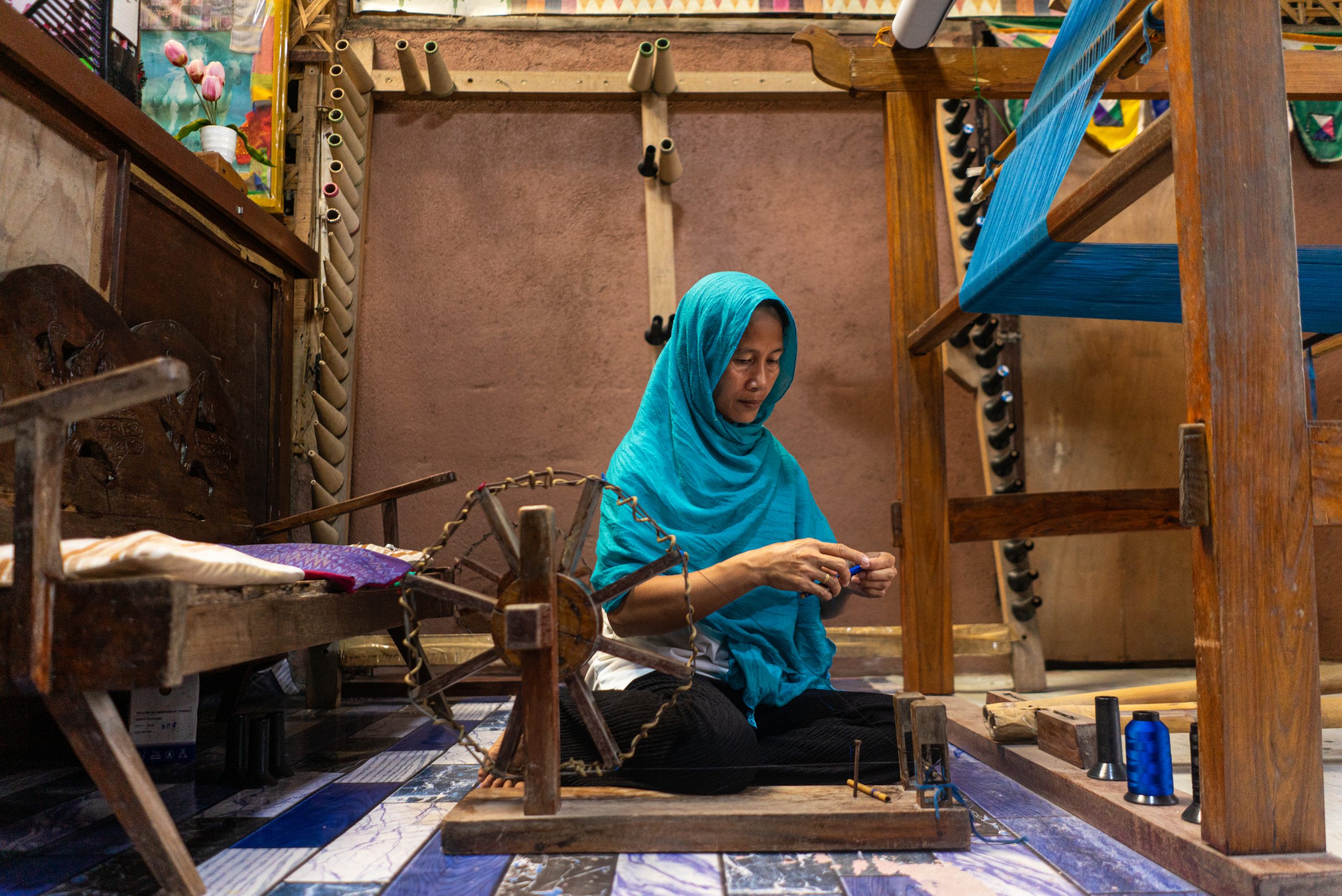
Inaul Weaving
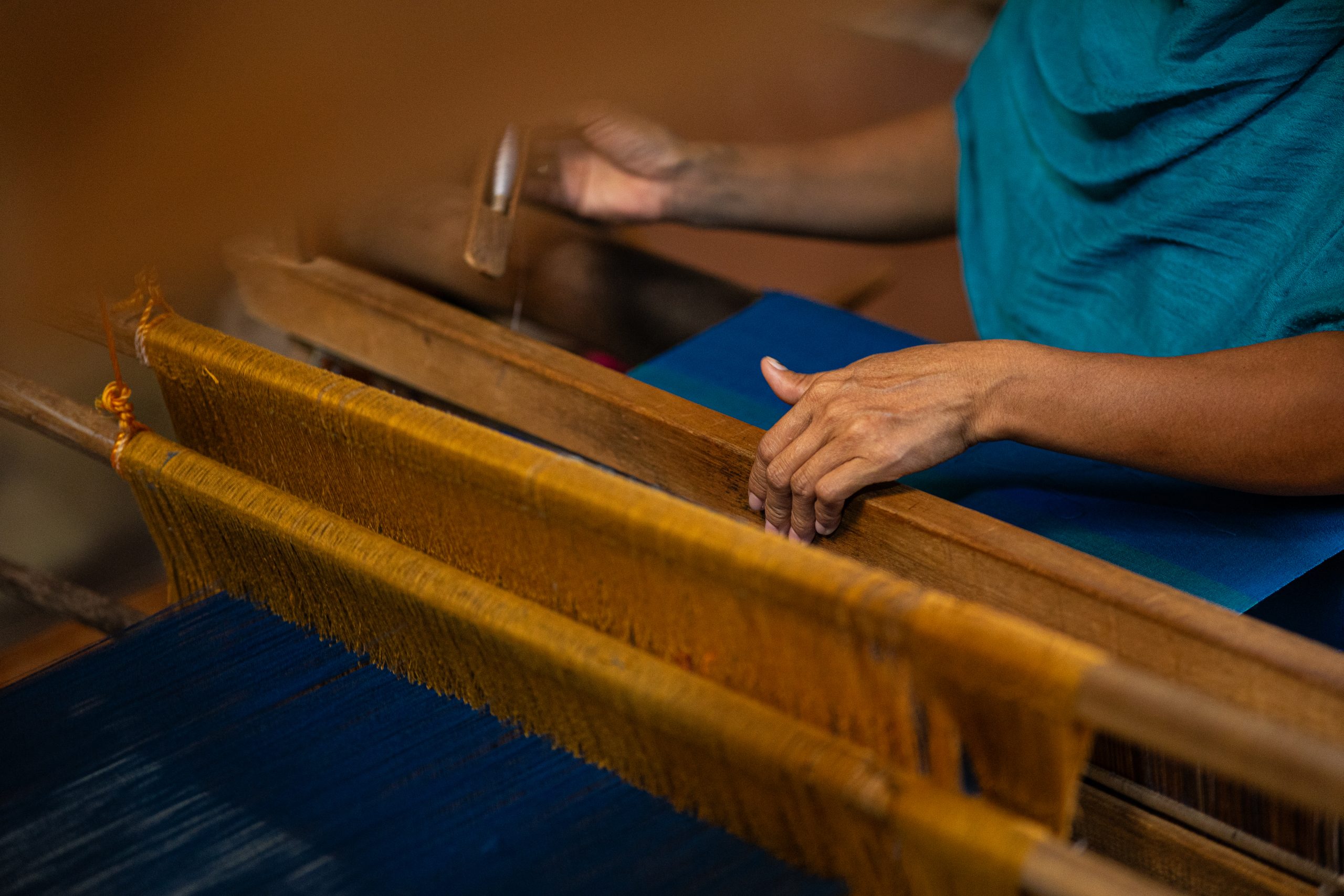
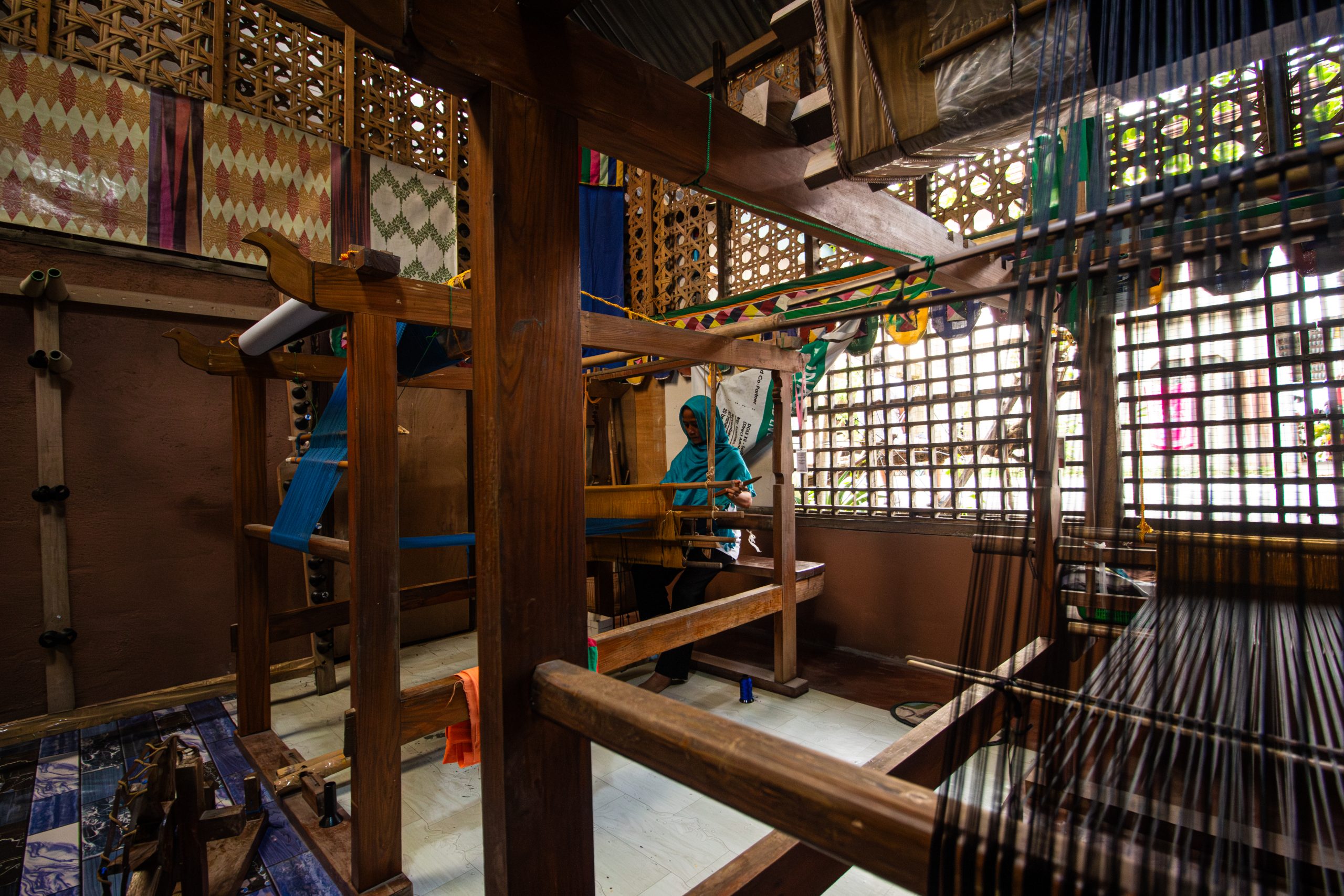
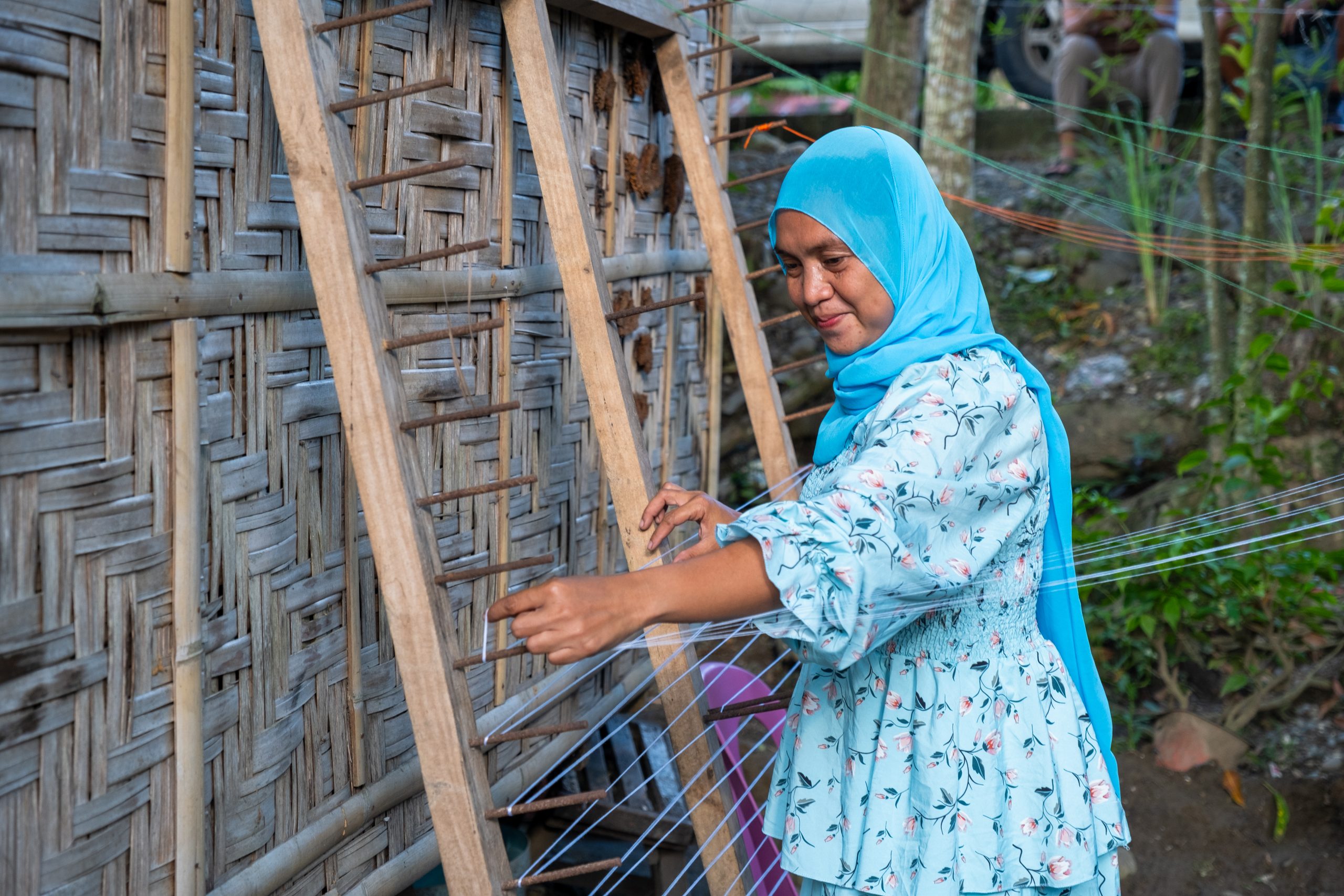
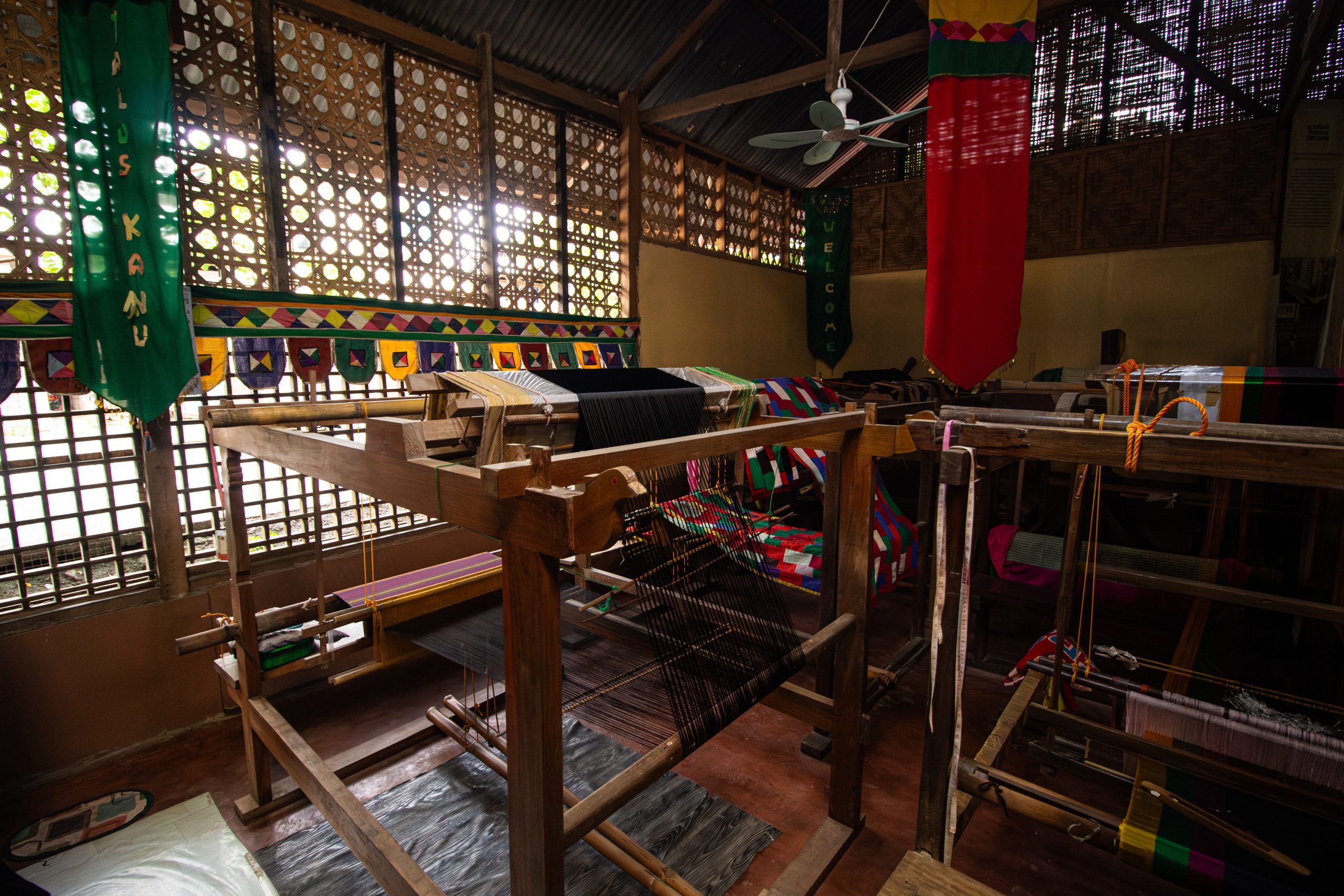
Discover one of Maguindanao’s most treasured cultural traditions. Inaul is a vibrant handwoven textile distinguished by its intricate patterns, rich colors, and symbolic motifs that reflect the artistry and heritage of the Maguindanaon people. Woven using materials such as tanor, silky rayon, and katiyado, each piece is carefully crafted by skilled artisans, with a single textile taking up to several weeks to complete depending on its design. Passed down through generations, the weaving tradition continues to thrive as a proud symbol of Maguindanao’s cultural identity.
Kulintang and Kutyapi
Experience the rich musical heritage of the Maguindanaon people through the sounds of the Kulintang and Kutyapi. Performed during ceremonies, celebrations, and community gatherings, these traditional instruments have long been part of Maguindanaon cultural life. The province is home to renowned musicians such as National Living Treasure Samaon Sulaiman, whose mastery of the Kutyapi helped preserve one of the Philippines’ most distinctive musical traditions. Today, these enduring art forms continue to celebrate and preserve the cultural heritage of Maguindanao.
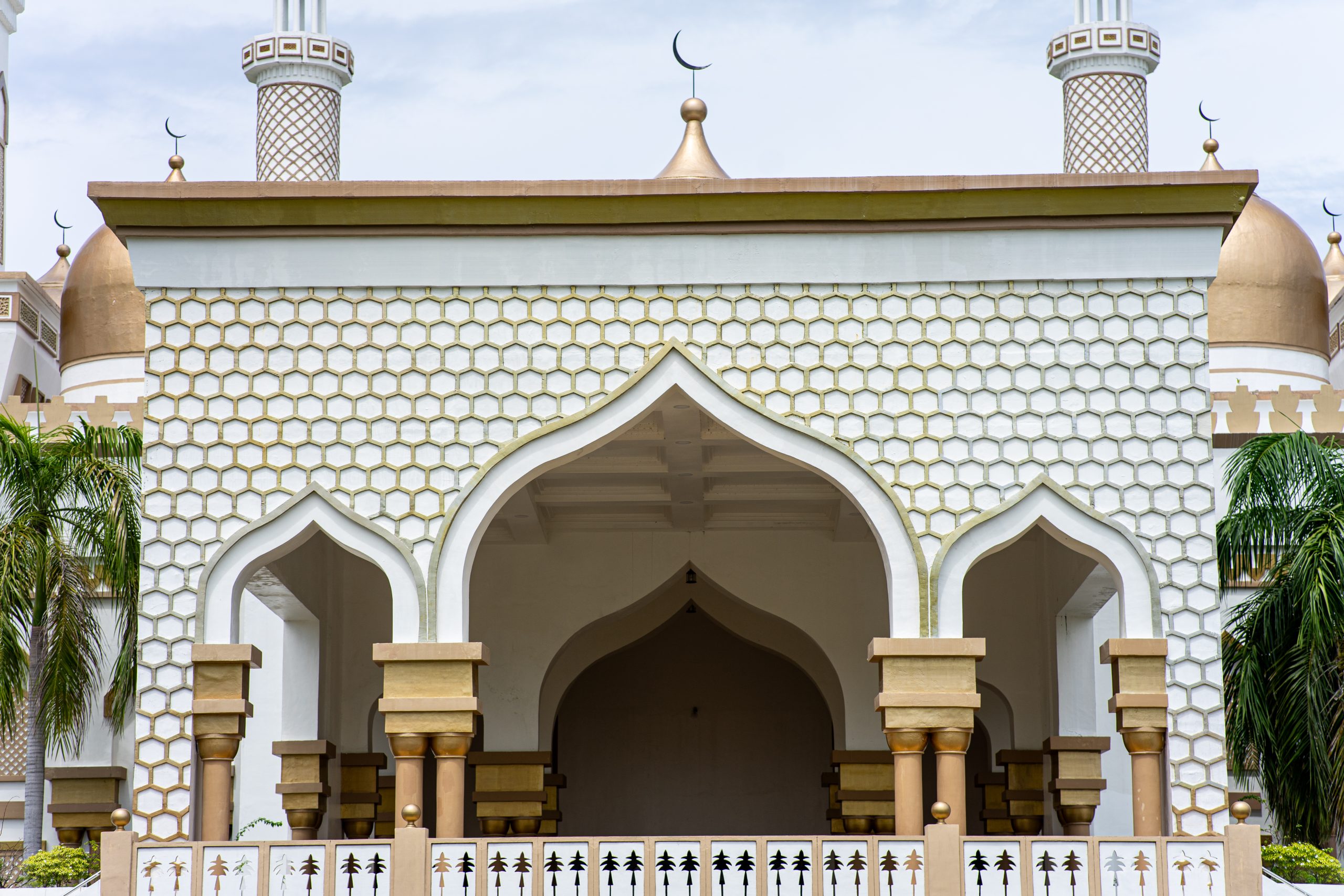
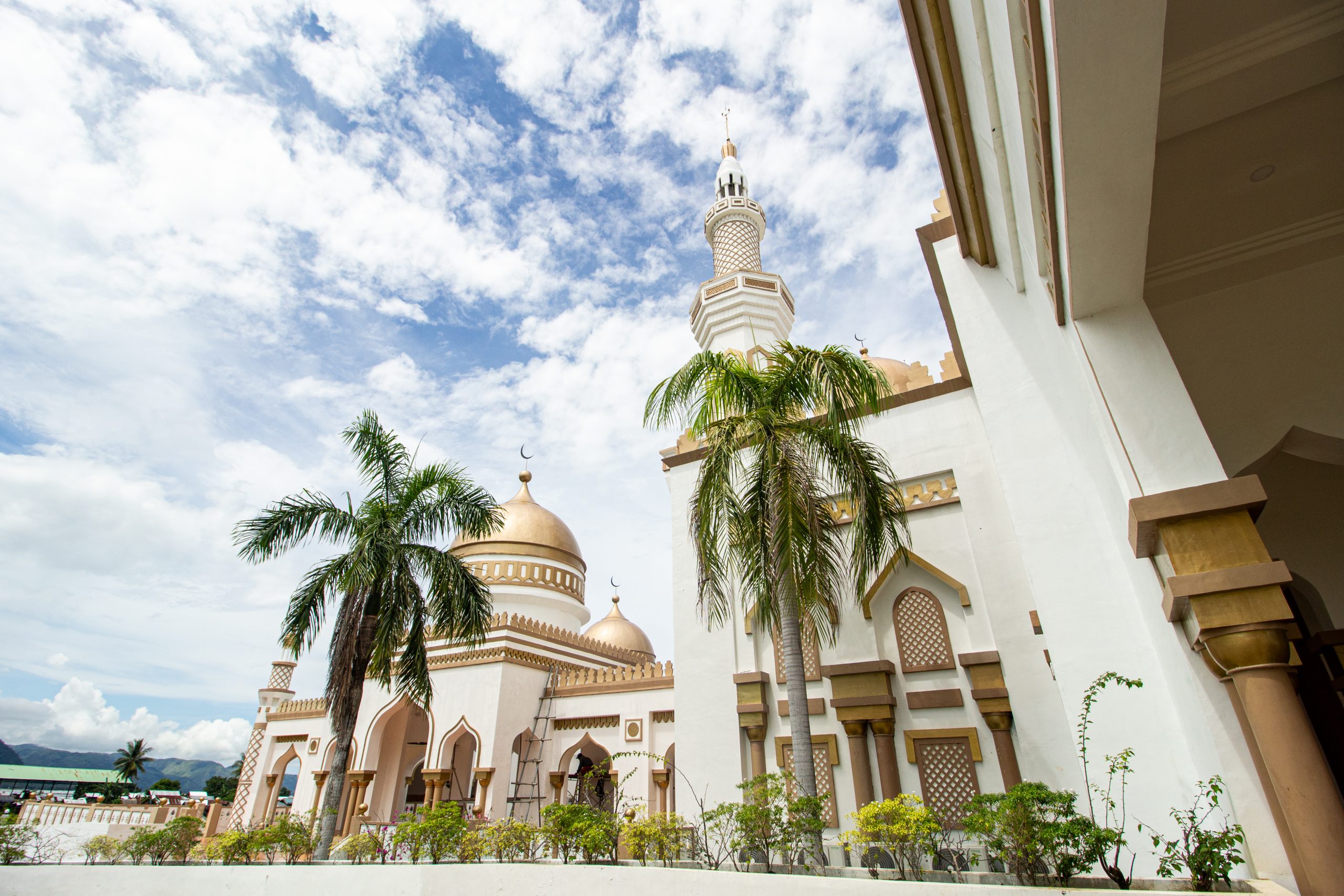
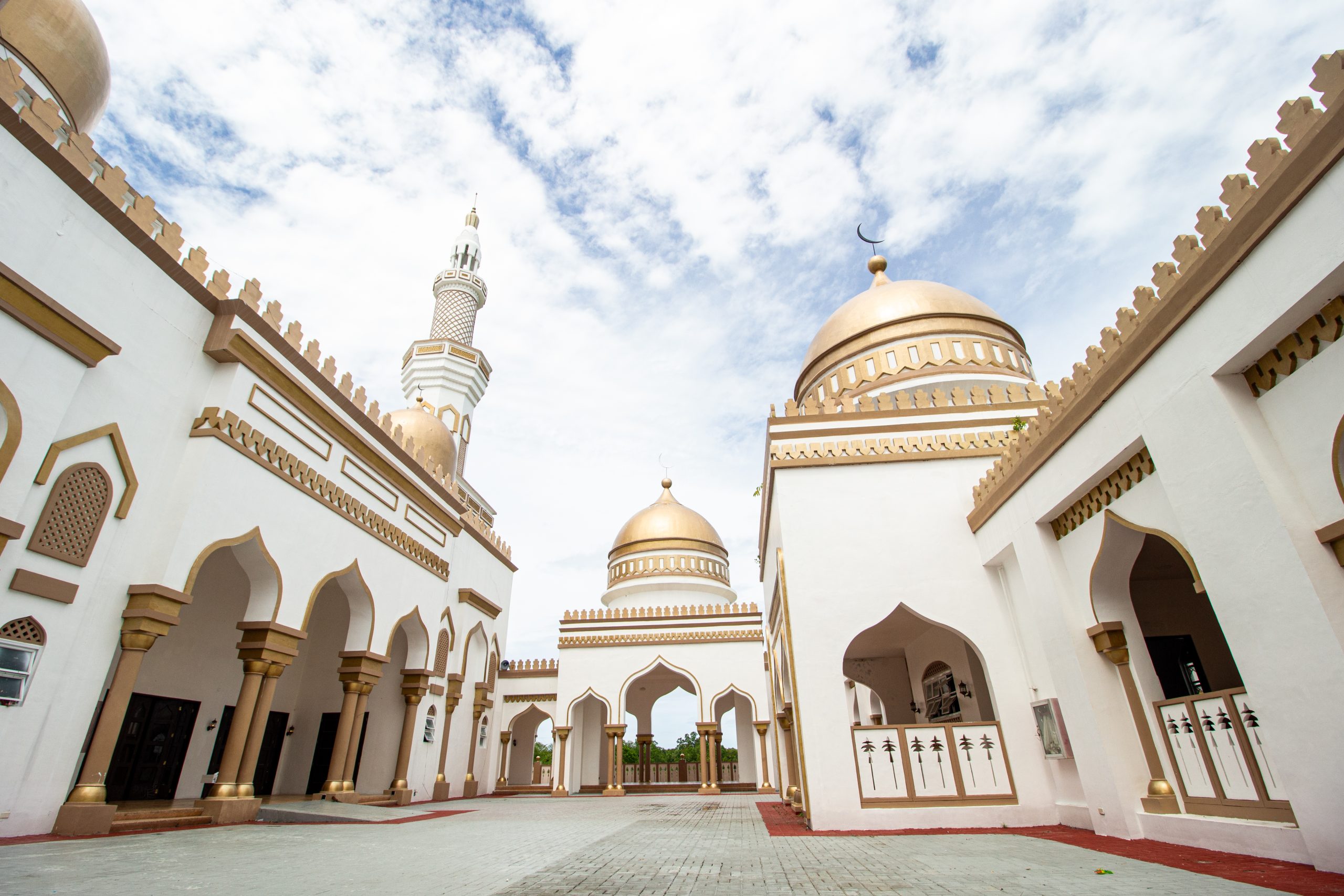
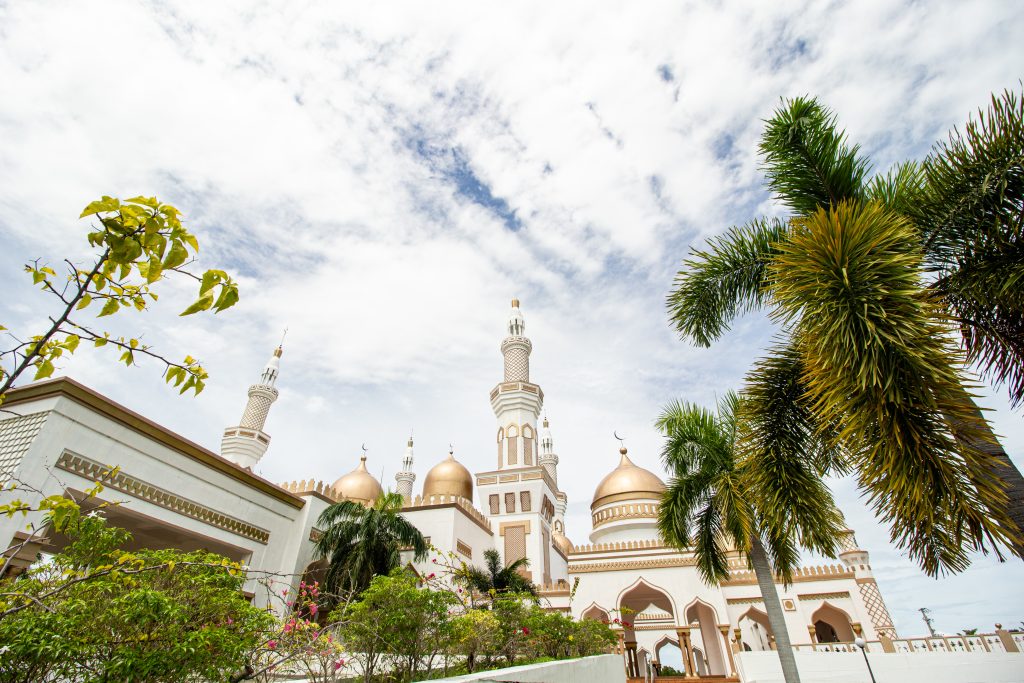
Masjid Al-Nasser Abpi (The White Mosque)
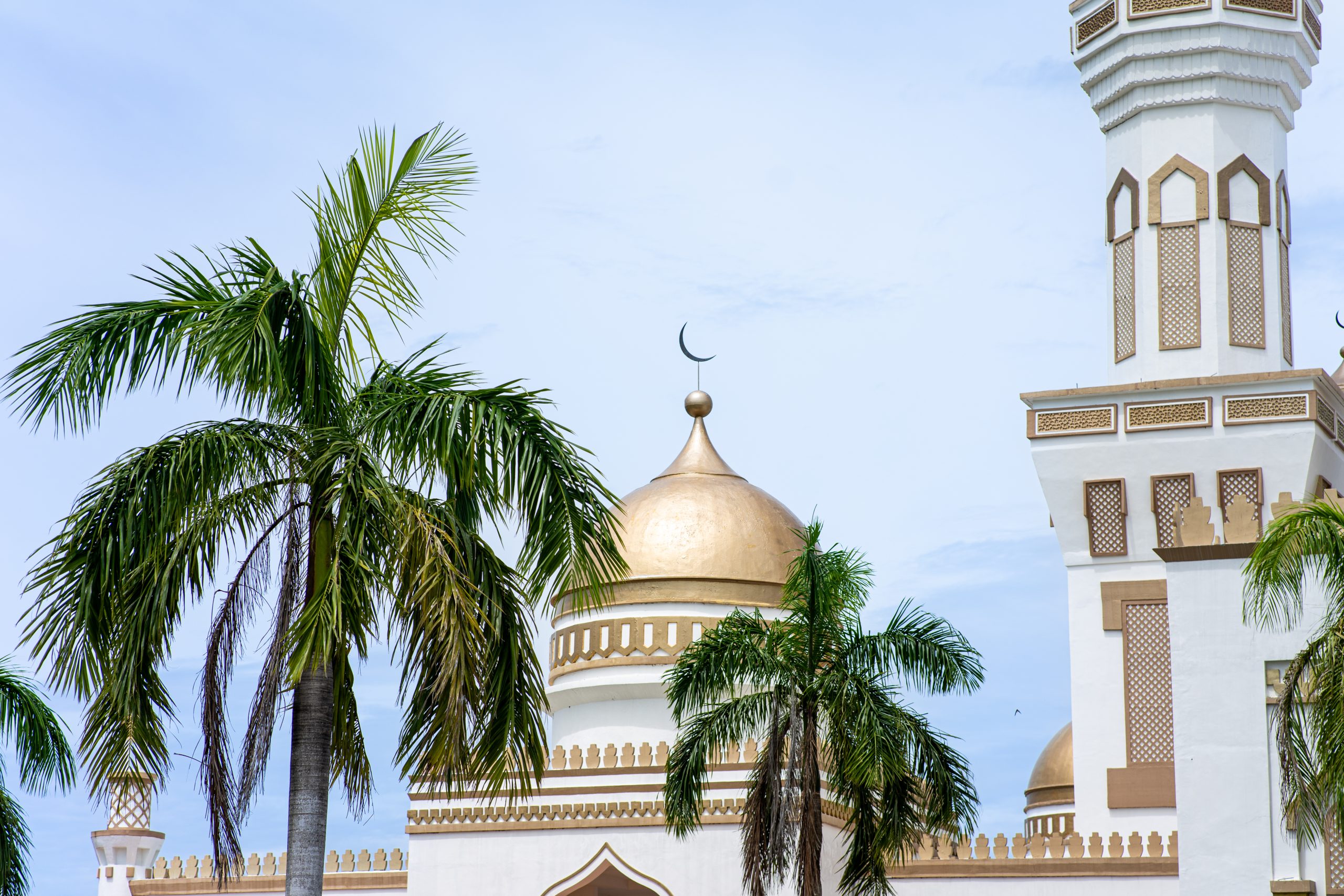
Visit one of Maguindanao del Norte’s most recognizable places of worship. Located in Datu Odin Sinsuat, Masjid Al-Nasser Abpi, or the White Mosque, was built in 2016 on a 20,000-square-meter property and can accommodate more than 10,000 worshippers. Inspired by a mosque in Madina, its elegant white-and-gold architecture, spacious prayer halls, and peaceful atmosphere make it a notable landmark of faith and devotion in the Bangsamoro region.